Reaction equation
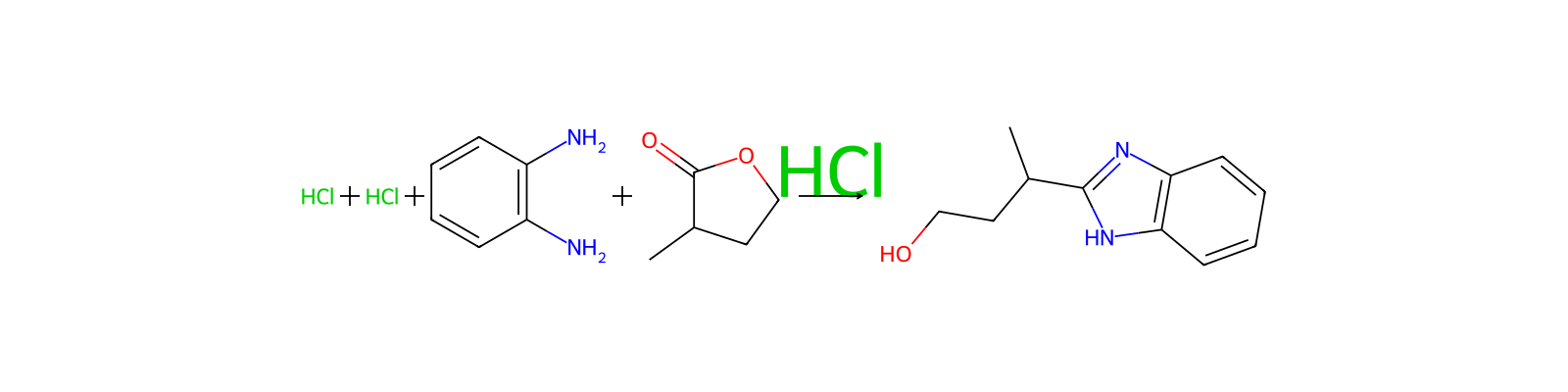
Cl.Cl.[C:3]1([NH2:10])[CH:8]=[CH:7][CH:6]=[CH:5][C:4]=1[NH2:9].[CH3:11][CH:12]1[CH2:17][CH2:16][O:15][C:13]1=O>Cl>[NH:9]1[C:4]2[CH:5]=[CH:6][CH:7]=[CH:8][C:3]=2[N:10]=[C:11]1[CH:12]([CH3:13])[CH2:17][CH2:16][OH:15]Participants
4
Reactant 2

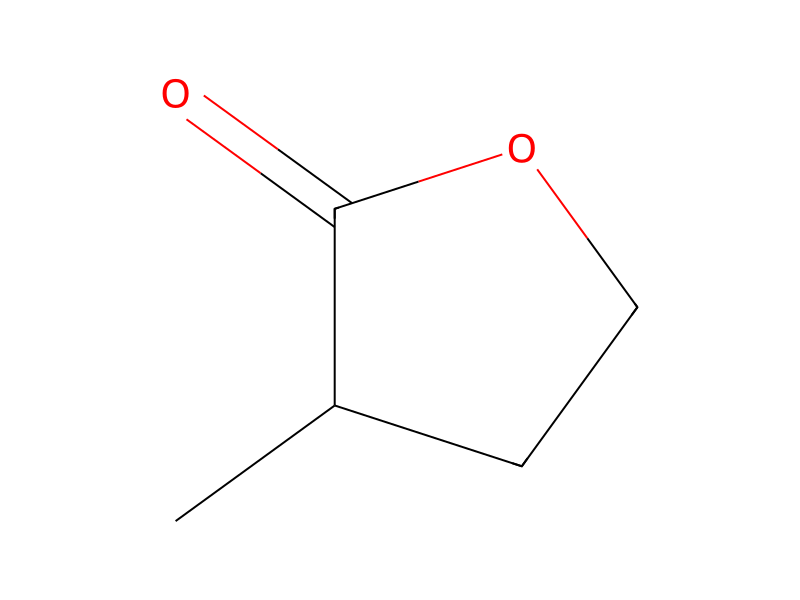
Product 1
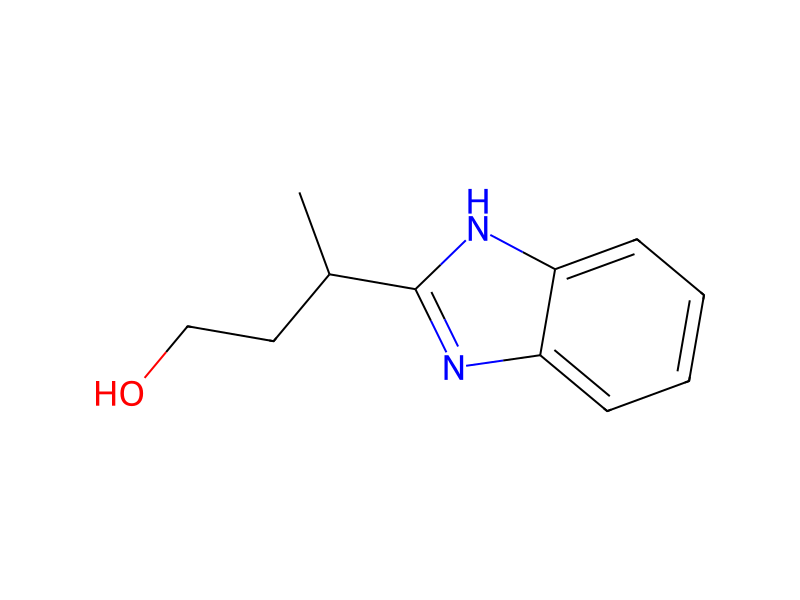
Reagents, catalysts & solvents 1

Procedure
Following the general procedure described in A. R. Friedman, D. S. Payne and A. R. Day, J. Heterocyclic Chemistry, 3:257-259(1966), a mixture of 9 g of 1,2-phenylenediamine dihydrochloride and 7 g of 2-methylbutyrolactone in 60 mL of 4N hydrochloric acid was heated to reflux for 4 days, 1 teaspoon of decolorizing carbon added, and after another 15 min reflux, filtered hot. The filtrate was concentrated under reduced pressure to near dryness, the residue made basic (pH=8) with ammonium hydroxide and extracted into 3×100 mL of ethyl acetate. The combined extracts were dried over magnesium sulfate and concentrated under reduced pressure. After drying under vacuum, 12 g of 3-(1H-benzimidazol-2-yl)-butan-1-ol was obtained as a resin.
Workup
- temperaturewas heated
- temperatureto reflux for 4 days
- addition1 teaspoon of decolorizing carbon added
- temperatureafter another 15 min reflux
- filtrationfiltered hot
- concentrationThe filtrate was concentrated under reduced pressure
- extractionextracted into 3×100 mL of ethyl acetate
- dry with materialThe combined extracts were dried over magnesium sulfate
- concentrationconcentrated under reduced pressure
- customAfter drying under vacuum
Sources & evidence
- ORD record
- ord-c3402856b1b044e9a112a35d3f7211ca
- Source dataset
- uspto-grants-2002_11
- Patent number
- US06476041B1
Linked notes
Loading…