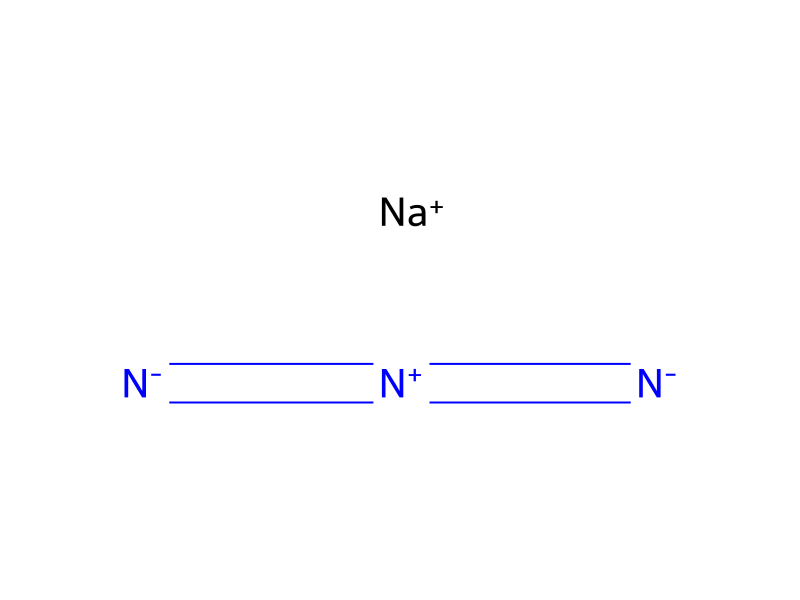
[C:1]([C:3]1[C:4](=[O:19])[NH:5][C:6]([C:9]2[CH:14]=[CH:13][CH:12]=[CH:11][C:10]=2[O:15][CH2:16][CH2:17][CH3:18])=[CH:7][CH:8]=1)#[N:2].[N-:20]=[N+:21]=[N-:22].[Na+].[Cl-].[NH4+].[Cl-].[Li+]>CN(C)C=O>[CH2:16]([O:15][C:10]1[CH:11]=[CH:12][CH:13]=[CH:14][C:9]=1[C:6]1[NH:5][C:4](=[O:19])[C:3]([C:1]2[NH:22][N:21]=[N:20][N:2]=2)=[CH:8][CH:7]=1)[CH2:17][CH3:18]A stirred mixture of 3-cyano-6-(2-propoxyphenyl)-2(1H)-pyridinone (1.85 g), sodium azide (0.59 g), ammonium chloride (0.49 g) and lithium chloride (0.39 g) in dry dimethylformamide (75 ml) was heated at 120° C. for 72 hours. The reaction mixture was evaporated to dryness and the resultant residue treated with water (100 ml) and acidified with glacial acetic acid to afford a precipitate which was collected and dissolved in warm dilute aqueous potassium bicarbonate. The aqueous solution was allowed to stand overnight at room temperature, was filtered and the filtrate was acidified with concentrated hydrochloric acid to afford a yellow precipitate, 1.80 g, m.p. 226°-230° C. This was recrystallized from ethanol (with charcoal) to afford the pure title compound, 1.08 g, m.p. 229°-231° C.