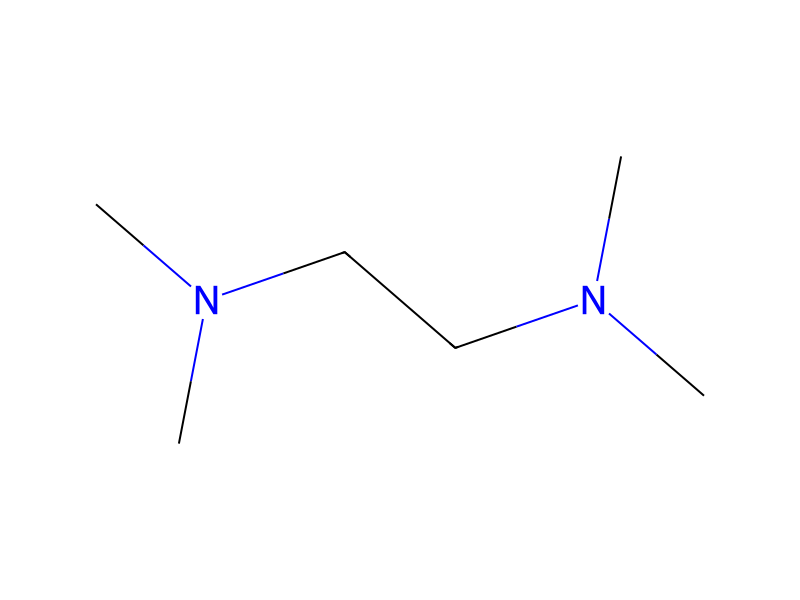
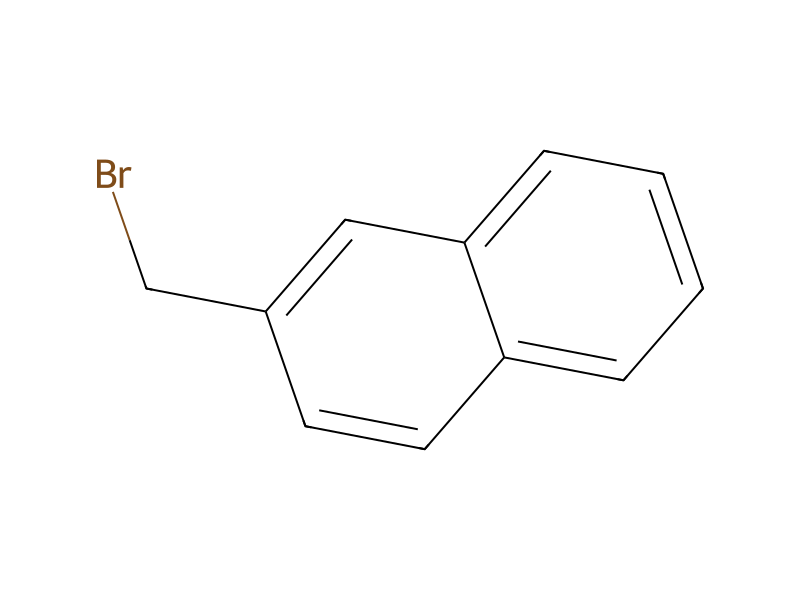
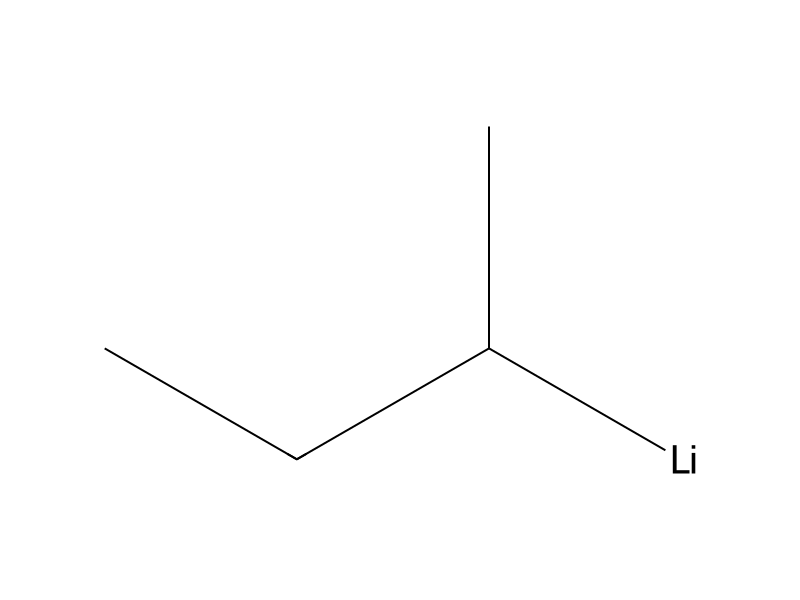
[C:1]([O:5][C:6]([N:8]1[CH2:13][CH2:12][N:11]([CH2:14][C:15]2[CH:20]=[CH:19][CH:18]=[CH:17][CH:16]=2)[CH2:10][CH2:9]1)=[O:7])([CH3:4])([CH3:3])[CH3:2].CN(C)CCN(C)C.C([Li])(CC)C.Br[CH2:35][C:36]1[CH:45]=[CH:44][C:43]2[C:38](=[CH:39][CH:40]=[CH:41][CH:42]=2)[CH:37]=1>C(OCC)C>[C:1]([O:5][C:6]([N:8]1[CH2:9][CH2:10][N:11]([CH2:14][C:15]2[CH:20]=[CH:19][CH:18]=[CH:17][CH:16]=2)[CH2:12][CH:13]1[CH2:35][C:36]1[CH:45]=[CH:44][C:43]2[C:38](=[CH:39][CH:40]=[CH:41][CH:42]=2)[CH:37]=1)=[O:7])([CH3:4])([CH3:2])[CH3:3]To a solution of 4-benzyl-piperazine-1-carboxylic acid tert-butyl ester (2 g) in diethylether (35 mL) was added tetramethylethylenediamine (1.4 mL). The resulting mixture was cooled to −70° C. and sec-butyllithium (7 mL of a 1.3 M solution) was added dropwise, after complete addition the solution was slowly warmed to −10° C., at which temperature the mixture was stirred for one hour. Subsequently, the mixture was recooled to −70° C.; then a solution of 2-(bromomethyl)naphthalene (2 g) in diethylether was added dropwise and stirring continued at −70° C. was continued for one hour. The resulting mixture was stirred and allowed to come to room temperature overnight, then partitioned between saturated ammonium chloride (aq) and ethyl acetate. The organic layer was dried over magnesium sulphate, filtered, and concentrated in vacuo. The residue was purified by flash chromatography (SiO2, CH2Cl2/MeOH 99/1) to afford 4-benzyl-2-(naphthalen-2-ylmethyl)piperazine-1-carboxylic acid tert-butyl ester as an oil. 0.8 g (27 %) Rf 0.47 (CH2Cl2/MeOH 99/1), MH+ 417.
Loading…