Reaction equation

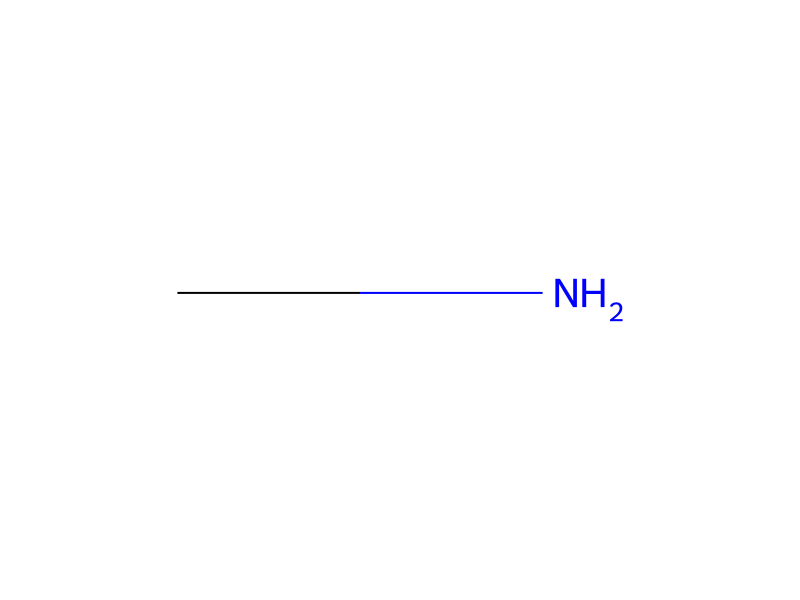
[CH2:1]([CH:5]=O)[CH2:2][CH:3]=O.[CH3:7][O:8][C:9]([CH2:11][C:12]([CH2:14][C:15]([O:17][CH3:18])=[O:16])=[O:13])=[O:10].[CH3:19][NH2:20]>CO>[CH3:19][N:20]1[CH:3]2[CH2:2][CH2:1][CH:5]1[CH:11]([C:9]([O:8][CH3:7])=[O:10])[C:12](=[O:13])[CH:14]2[C:15]([O:17][CH3:18])=[O:16]Participants
5
Reactant 3


Product 1

Reagents, catalysts & solvents 1

Procedure
The reaction of succindialdehyde of the formula (3) with the organic amine of the formula (4) and the acetonedicarboxylic acid ester of the formula (5) is per se well known. For example, when each of the substitu-ents R and R″ is a methyl group (Me), a methanolic solution containing dimethyl 1,3-acetonedicarboxylate is added to a methanol solution of succindialdehyde in an ice bath under a nitrogen atmosphere, a methanolic solution containing methylamine is added dropwise thereto in an ice bath and stirred overnight, and the solvent is distilled off to obtain dimethyl 8-methyl-3-oxo-8-azabicyclo[3.2.1]octane-2,4-dicarboxylate (1a: R′=Me and R=Me in the formula (1)) in a yield of 70-90 mol %.
Workup
- additionis added dropwise
- distillationthe solvent is distilled off
Sources & evidence
- ORD record
- ord-2476a7be6d9a462ab17e5960b19fd87f
- Source dataset
- uspto-grants-2002_11
- Patent number
- US06486323B1
Linked notes
Loading…