HomeMCPWorkbenchSkills
HomeWorkbenchNotificationsMe
llms.txt · MCP GuidePrivacy Policy · Terms of Service · Supportv1.8.3
  1. Home
  2. /Reaction

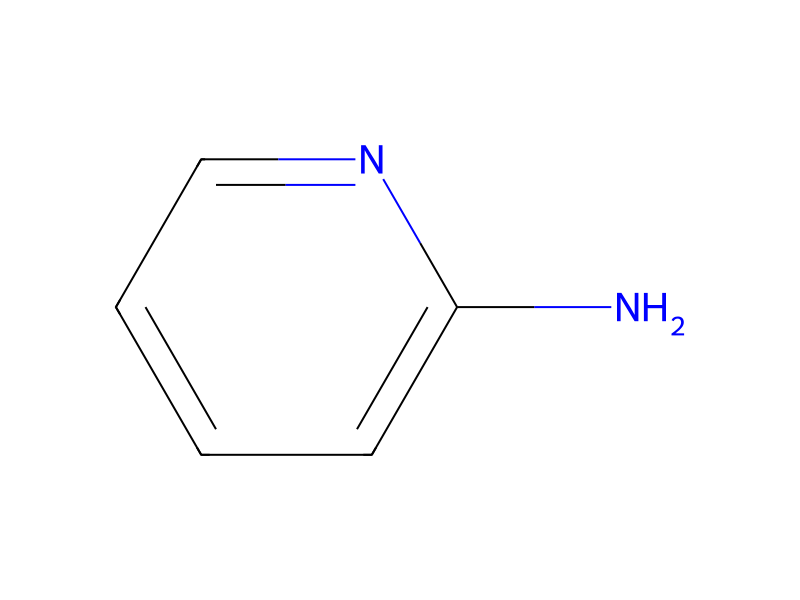
2-Aminopyridine → 5-Bromo-1-methyl-3-(pyridin-2-ylamino)-1h-pyridin-2-one

HRID 1021822
Print

Reaction equation

HRID 1021822 reaction equation
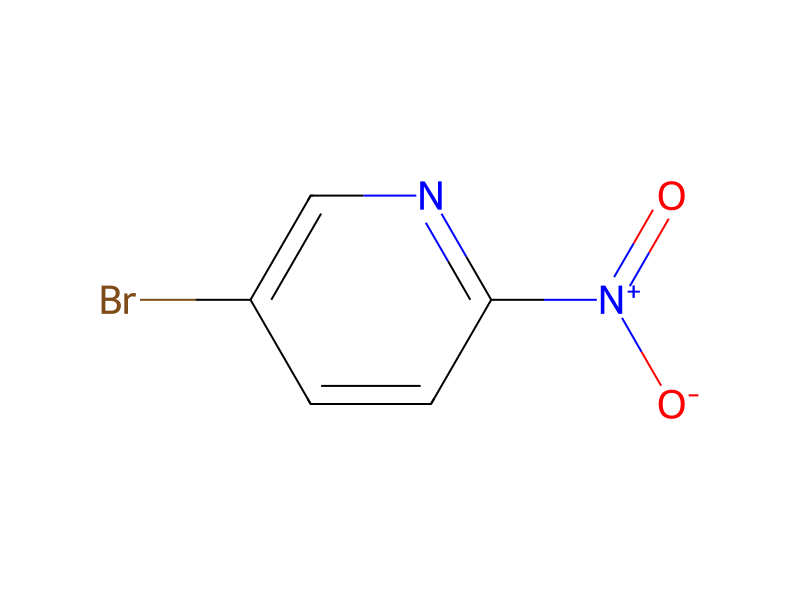
[Br:1][C:2]1[CH:3]=[CH:4][C:5]([N+]([O-])=O)=[N:6][CH:7]=1.[N:11]1[CH:16]=[CH:15][CH:14]=[CH:13][C:12]=1[NH2:17].[C:18](=[O:21])([O-])[O-].[Cs+].[Cs+].CC1(C)C2C(=C(P(C3C=CC=CC=3)C3C=CC=CC=3)C=CC=2)OC2C(P(C3C=CC=CC=3)C3C=CC=CC=3)=CC=CC1=2>C1C=CC(/C=C/C(/C=C/C2C=CC=CC=2)=O)=CC=1.C1C=CC(/C=C/C(/C=C/C2C=CC=CC=2)=O)=CC=1.C1C=CC(/C=C/C(/C=C/C2C=CC=CC=2)=O)=CC=1.[Pd].[Pd].O1CCOCC1>[Br:1][C:2]1[CH:3]=[C:4]([NH:17][C:12]2[CH:13]=[CH:14][CH:15]=[CH:16][N:11]=2)[C:18](=[O:21])[N:6]([CH3:5])[CH:7]=1
ParticipantsConditionsProcedureWorkupSources & evidenceReaction notes

Participants

7

Reactant 4

HCID 104392-AminopyridineHCID 10796Cesium carbonateHCID 6360441,1'-(9,9-Dimethyl-9H-xanthene-4,5-diyl)bis(1,1-diphenylphosphine)HCID 8176205-Bromo-2-nitropyridine

Product 1

HCID 665987735-Bromo-1-methyl-3-(pyridin-2-ylamino)-1h-pyridin-2-oneYield 51%

Reagents, catalysts & solvents 2

HCID 9811564Bis(dibenzylideneacetone)palladiumCatalystHCID 312751,4-DioxaneSolvent

Conditions

Temperature
100 °C

Procedure

A 250-mL single-neck round-bottomed flask equipped with a magnetic stirrer and a reflux condenser was charged with 1,4-dioxane (60 mL), 5-bromo-2-nitropyridine (8.0 g, 31.8 mmol), pyridin-2-amine (1.0 g, 10.6 mmol), and cesium carbonate (7.0 g, 21.2 mmol). After bubbling nitrogen through the resulting mixture for 30 minutes, XantPhos (616 mg, 1.0 mmol) and tris(dibenzylideneacetone)dipalladium(0) (973 mg, 1.0 mmol) were added. The reaction mixture was subjected to three cycles of vacuum/argon flush and heated at 100° C. for 12 h. After this time the reaction was cooled to room temperature and filtered. The filtrate was partitioned between ethyl acetate (100 mL) and water (100 mL). The aqueous layer was separated and extracted with ethyl acetate (3×150 mL). The combined organic layer was washed with brine (50 mL) and dried over sodium sulfate. The drying agent was removed by filtration and the filtrate was concentrated under reduced pressure. The residue was purified on silica-gel column eluting with 30:1 dichloromethane/methanol to afford 178a (1.5 g, 51%) as yellow solid. MS: [M+H]+ 280

Workup

  1. customA 250-mL single-neck round-bottomed flask equipped with a magnetic stirrer and a reflux condenser
  2. customAfter bubbling nitrogen through the resulting mixture for 30 minutes
  3. customflush
  4. temperatureAfter this time the reaction was cooled to room temperature
  5. filtrationfiltered
  6. customThe filtrate was partitioned between ethyl acetate (100 mL) and water (100 mL)
  7. customThe aqueous layer was separated
  8. extractionextracted with ethyl acetate (3×150 mL)
  9. washThe combined organic layer was washed with brine (50 mL)
  10. dry with materialdried over sodium sulfate
  11. customThe drying agent was removed by filtration
  12. concentrationthe filtrate was concentrated under reduced pressure
  13. customThe residue was purified on silica-gel column
  14. washeluting with 30:1 dichloromethane/methanol

Sources & evidence

ORD record
ord-4d01b6471a2d4041a47ea5a96db755c1
Source dataset
uspto-grants-2014_05
DOI
10.6084/m9.figshare.5104873.v1
Patent number
US08716274B2

Reaction notes

On this pageParticipantsConditionsProcedureWorkupSources & evidenceReaction notes