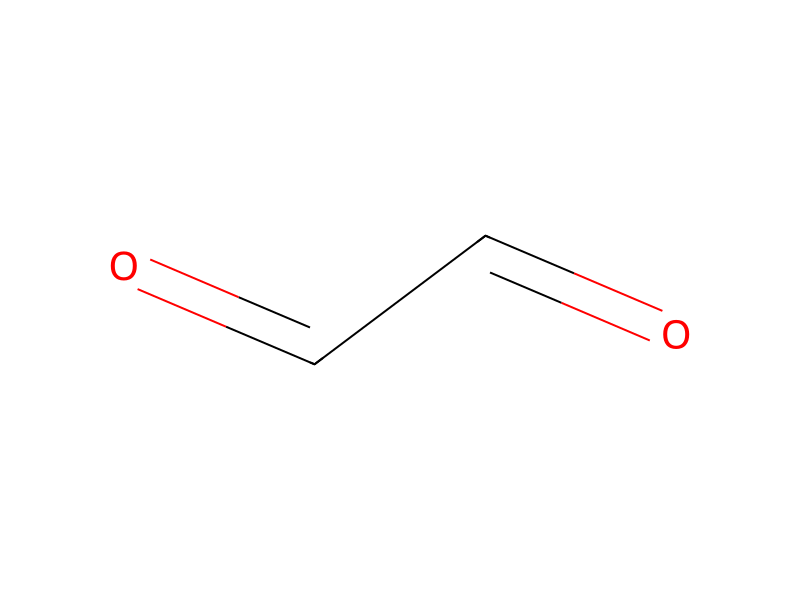
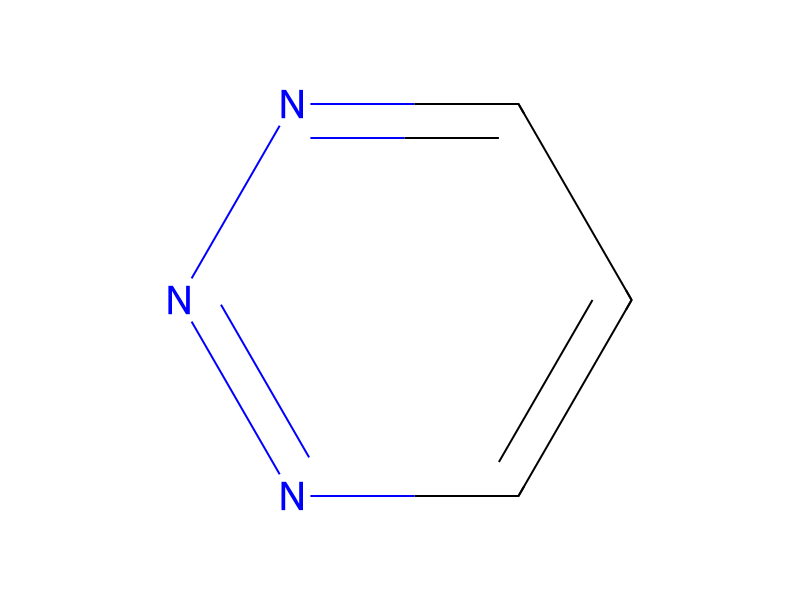
Ammonia → Glyoxal
HRID 1023210
Reaction equation

COC(C1C=CN2C=CN=C2C=1)=N.O.NN.N.C[C:19]([CH:21]=[O:22])=[O:20].C[C:24]1[CH:29]=[CH:28][N:27]=[N:26][N:25]=1>>[CH:19]([CH:21]=[O:22])=[O:20].[N:25]1[CH:24]=[CH:29][CH:28]=[N:27][N:26]=1COC(C1C=CN2C=CN=C2C=1)=N.O.NN.N.C[C:19]([CH:21]=[O:22])=[O:20].C[C:24]1[CH:29]=[CH:28][N:27]=[N:26][N:25]=1>>[CH:19]([CH:21]=[O:22])=[O:20].[N:25]1[CH:24]=[CH:29][CH:28]=[N:27][N:26]=1In particular, heterocyclic halide or pseudo-halide precursors are commercially available or can be prepared from an appropriately functionalised heterocyclic compound. Alternatively the R2 rings can be formed on the imidazopyridine scaffold using intramolecular or radical cyclisation reactions under standard conditions. For example the imidazo[1,2-a]pyridine-7-carboximidic acid methyl ester or imidazo[1,2-a]pyridine-7-methyl ester are reacted with hydrazine hydrate to generate the hydrazide. Triazines can then be synthesized by reacting the hydrazide with the appropriate aldehyde in the presence or absence of ammonia (e.g. the carboxylic acid hydrazide, pyruvic aldehyde and ammonia to create methyltriazine or the carboximidic acid hydrazide and glyoxal to give triazine) or with the appropriate ketone (e.g. diacetyl to create dimethyltriazine). Alternatively the carboxylic acid hydrazide is reacted with triethyl orthoacetate to give methyloxadiazole, or an isothiocyanato group to give substituted thiadizole (e.g. isothiocyanatocyclopropane to give cyclopropyl-thiadiazol-2-yl-amine).