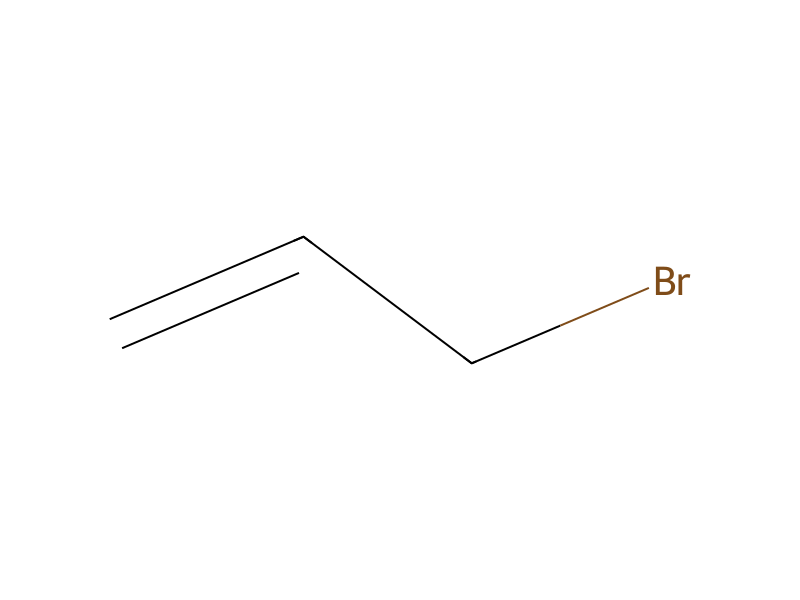
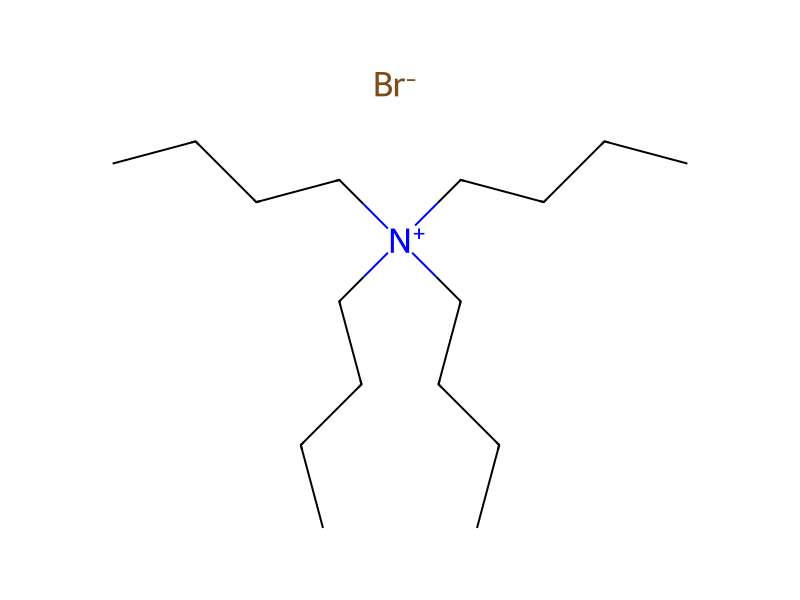
[Cl:1][C:2]1[CH:11]=[CH:10][C:9]([OH:12])=[C:8]2[C:3]=1[CH:4]=[CH:5][CH:6]=[N:7]2.[OH-].[Na+].[CH2:15](Br)[CH:16]=[CH2:17]>[Br-].C([N+](CCCC)(CCCC)CCCC)CCC.C1C=CC=CC=1>[CH2:17]([O:12][C:9]1[CH:10]=[CH:11][C:2]([Cl:1])=[C:3]2[C:8]=1[N:7]=[CH:6][CH:5]=[CH:4]2)[CH:16]=[CH2:15]A solution of 5-chloro-8-hydroxyquinoline (1 mmol, 180 mg) in aqueous NaOH (0.25 M, 8 mL; 2 mmol) containing tetrabutylammonium bromide as the phase-transfer catalyst (0.1 mmol, 33 mg) was stirred for 30 min., and allyl bromide (1 mmol, 85 μL) and benzene (8 mL) were added and the reaction mixture was stirred vigorously at 50° C. for 14 h. The reaction mixture was partitioned between water (15 mL) and EtOAc (15 mL) after cooling to room temperature and the extraction was repeated twice. The organic layers were combined and washed with 1 M NaOH solution (15 mL) and concentrated. The crude product was purified by flash-column chromatography over silica gel using 1:2 hexanes-ether as eluent to afford quinoline 3a as a light-brown solid (170 mg, 64%).