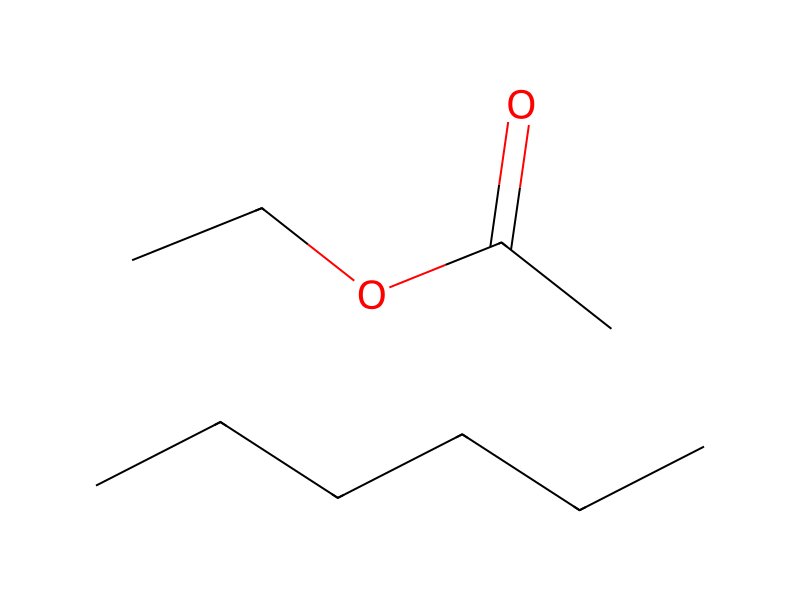
[H-].[Na+].[CH2:3]([O:10][C@H:11]([CH3:15])[C@H:12]([OH:14])[CH3:13])[C:4]1[CH:9]=[CH:8][CH:7]=[CH:6][CH:5]=1.[Cl:16][C:17]1[N:22]=[C:21](Cl)[C:20]([I:24])=[CH:19][N:18]=1.[Cl-].[Na+]>C(OCC)C.CCCCCC.C(OCC)(=O)C>[CH2:3]([O:10][C@H:11]([CH3:15])[C@@H:12]([CH3:13])[O:14][C:19]1[C:20]([I:24])=[CH:21][N:22]=[C:17]([Cl:16])[N:18]=1)[C:4]1[CH:9]=[CH:8][CH:7]=[CH:6][CH:5]=12.07 g sodium hydride (55%) was added in portions to 8.55 g (47.4 mmol) (2R,3R)-3-benzyloxy-butan-2-ol in 56 ml diethyl ether at 0° C. with stirring. After 10 minutes the ice bath was removed and it was stirred for a further 3 minutes at room temperature. The suspension formed was added at 0° C. to a solution of 6.52 g (23.7 mmol) of 2,4-dichloro-5-iodo-pyrimidine. The mixture was stirred for 4 hours at 40° C. and then dilute sodium chloride solution was added. It was then extracted with ethyl acetate (2×). The combined organic phases were dried (Na2SO4), filtered and concentrated by evaporation. The residue obtained was chromatographically (hexane/ethyl acetate 4:1). 4.12 g (9.8 mmol; yield: 41%) of the product was obtained.