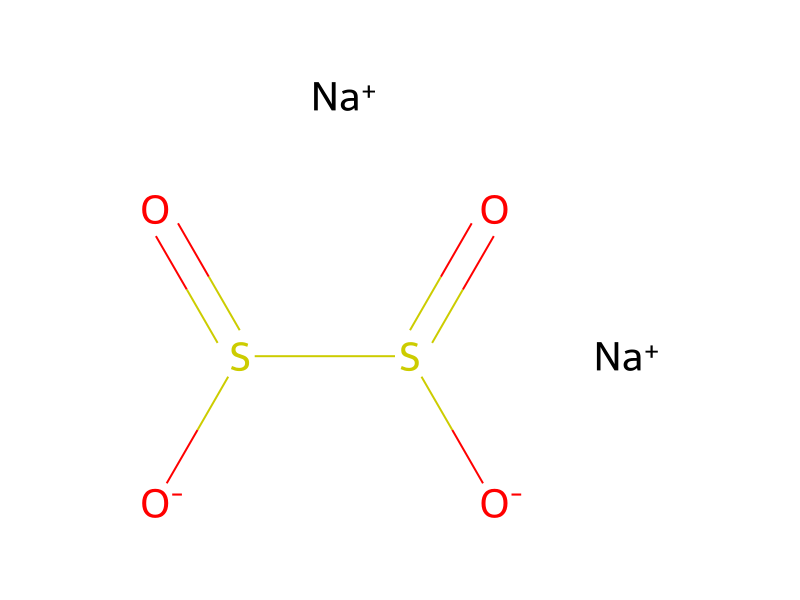
[CH2:1]([O:8][CH2:9][CH:10]=[CH:11][CH2:12][O:13][CH2:14][C:15]1[CH:20]=[CH:19][CH:18]=[CH:17][CH:16]=1)[C:2]1[CH:7]=[CH:6][CH:5]=[CH:4][CH:3]=1.ClC1C=CC=C(C(OO)=[O:29])C=1.S(S([O-])=O)([O-])=O.[Na+].[Na+]>ClCCl>[CH2:1]([O:8][CH2:9][CH:10]1[O:29][CH:11]1[CH2:12][O:13][CH2:14][C:15]1[CH:16]=[CH:17][CH:18]=[CH:19][CH:20]=1)[C:2]1[CH:7]=[CH:6][CH:5]=[CH:4][CH:3]=1To a solution of 6.0 g (0.022 mol) of 1,4-bis-(benzyloxy)-2-butene in 80 ml of dichloromethane was added 5.4 g (0.022 mol) of m-chloroperbenzoic acid (purity: 70%) in four portions under ice-cooling and stirring. The resulting mixture was stirred at the same temperature for 1 hour. After filtering off the white precipitate thus formed, the filtrate was poured into a 10% aqueous solution of sodium hydrosulfite. The mixture was extracted with dichloromethane, washed with water and dried. After distilling off the solvent, the obtained residue was purified by column chromatography (silica gel, hexane/ether) to thereby give 4.2 g of 1,4-bis(benzyloxy)-2,3-epoxybutane as a colorless liquid.
Loading…