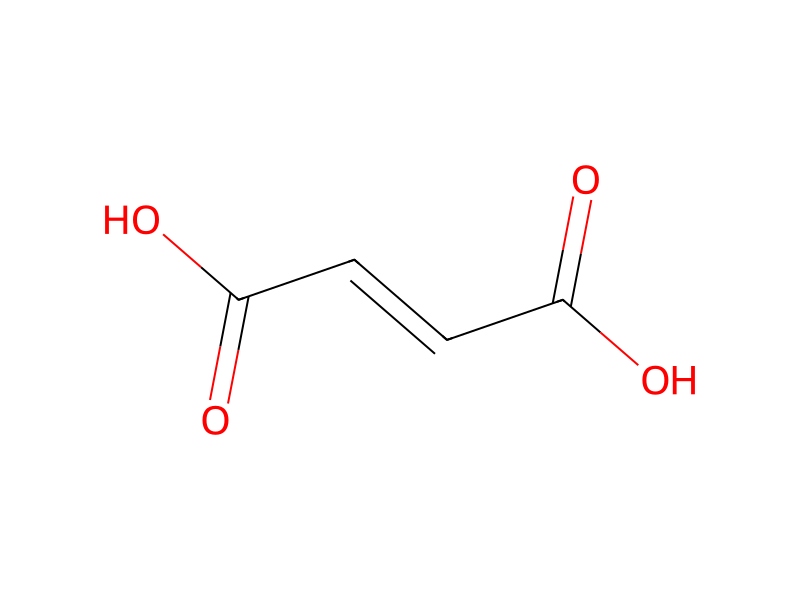
Cl[C:2]1[N:6]([CH2:7][CH3:8])[C:5]2[CH:9]=[CH:10][CH:11]=[CH:12][C:4]=2[N:3]=1.[NH2:13][CH:14]1[CH2:18][CH2:17][N:16]([CH3:19])[CH2:15]1.C(O)(=O)/C=C/C(O)=O>C(O)CCC.C(O)(C)C.O>[CH2:7]([N:6]1[C:5]2[CH:9]=[CH:10][CH:11]=[CH:12][C:4]=2[N:3]=[C:2]1[NH:13][CH:14]1[CH2:18][CH2:17][N:16]([CH3:19])[CH2:15]1)[CH3:8]A solution of 38.6 g (0.21 mol) of 2-chloro-1-ethylbenzimidazole and 24 g (0.24 mol) of 3-amino-1-methylpyrrolidine in 150 mL of n-butanol was heated to reflux for 72 h and concentrated on the rotary evaporator (70° C./30 mm). The residue was partitioned between CHCl3 and dilute NaOH. The CHCl3 solution was dried (Na2SO4) and concentrated. For purification the material obtained was converted to the difumarate salt. The residue (68 g) was treated with a boiling solution of 64 g of fumaric acid in 600 mL of isopropyl alcohol and 100 mL of H2O. The resulting salt weighted 48 g (63% yield). A sample was recrystallized from ethanol-H2O, mp 204°-212° C. (dec).
Loading…