Reaction equation

[NH:1]([C:8]1[CH2:17][C:16]([C:18]([O:20]C)=O)=[C:15]([NH:22][C:23]2[CH:28]=[CH:27][CH:26]=[CH:25][CH:24]=2)[CH2:14][C:9]=1[C:10]([O:12]C)=O)[C:2]1[CH:7]=[CH:6][CH:5]=[CH:4][CH:3]=1>O>[CH:26]1[CH:27]=[C:28]2[C:18]([C:16]3[C:15]([NH:22][C:23]2=[CH:24][CH:25]=1)=[CH:14][C:9]1[C:10]([C:7]2[C:2]([NH:1][C:8]=1[CH:17]=3)=[CH:3][CH:4]=[CH:5][CH:6]=2)=[O:12])=[O:20]Participants
3
Reactant 1

Product 1
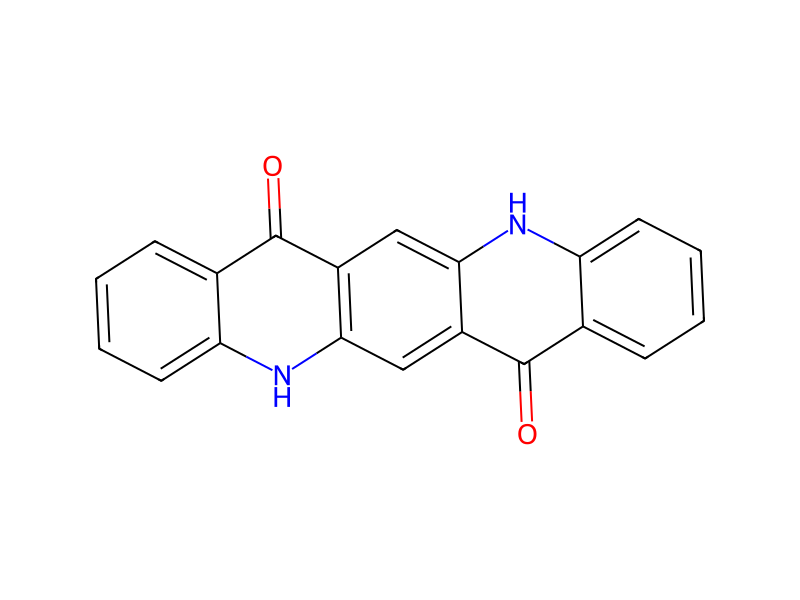
Reagents, catalysts & solvents 1

Procedure
A suspension of 400 g of dimethyl 2,5-dianilino-3,6-dihydroterephthalate and 1 l of water was introduced by means of a two-material nozzle and 1.5 m3 of nitrogen into a tubular reactor at 590° C. In addition, a gas mixture of 400 l of air and 600 l of nitrogen was passed in at the side. 300 g of quinacridone having a purity of 97% were obtained.
Workup
- additionwas introduced by means of a two-material nozzle and 1.5 m3 of nitrogen into a tubular reactor at 590° C
- additionIn addition, a gas mixture of 400 l of air and 600 l of nitrogen
Sources & evidence
- ORD record
- ord-b7181f2d14404a78bc04aeda8e2a066d
- Source dataset
- uspto-grants-1990_09
- Patent number
- US04956464
Linked notes
Loading…