Zolpidem → Zolpidem methanesulfonate
HRID 1066185
Reaction equation

[CH3:1][C:2]1[CH:3]=[CH:4][C:5]([C:8]2[N:16]=[C:15]3[N:10]([CH:11]=[C:12]([CH3:17])[CH:13]=[CH:14]3)[C:9]=2[CH2:18][C:19]([N:21]([CH3:23])[CH3:22])=[O:20])=[CH:6][CH:7]=1.[CH3:24][S:25]([OH:28])(=[O:27])=[O:26]>C(O)C>[CH3:1][C:2]1[CH:7]=[CH:6][C:5]([C:8]2[N:16]=[C:15]3[N:10]([CH:11]=[C:12]([CH3:17])[CH:13]=[CH:14]3)[C:9]=2[CH2:18][C:19]([N:21]([CH3:22])[CH3:23])=[O:20])=[CH:4][CH:3]=1.[CH3:24][S:25]([O-:28])(=[O:27])=[O:26]Participants
4
Reactant 2

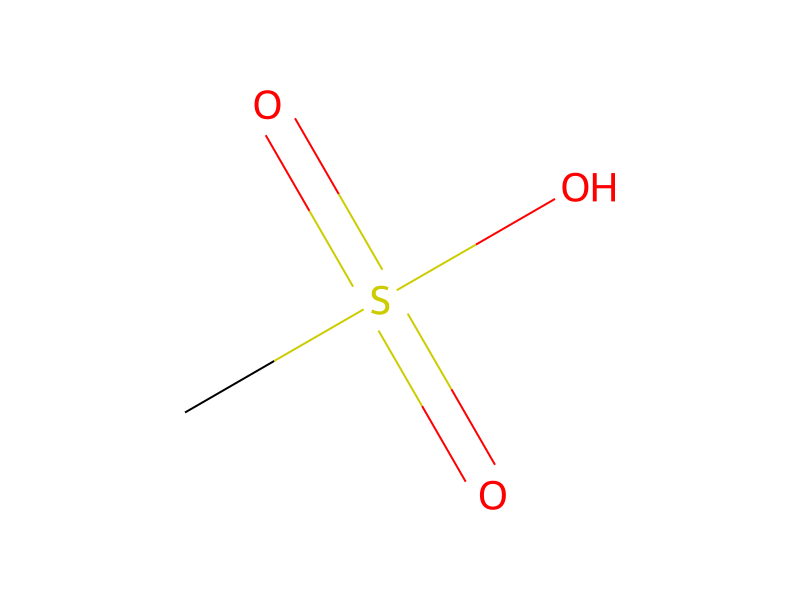
Product 1

Reagents, catalysts & solvents 1

Procedure
One gram of zolpidem free base is dissolved in 10 ml of ethanol at 50° C. Then 0.313 g (a molar equivalent) of methane sulfonic acid is added at this temperature, the mixture is stirred for 5 minutes and evaporated to dryness under reduced pressure. The residue is treated with 10 ml of acetone, the remaining solid is filtered off and washed with 5 ml of acetone and dried in vacuum oven at 40° C. to yield zolpidem methanesulfonate. A representative DSC curve is shown in FIG. 12.