HomeMCPWorkbenchSkills
HomeWorkbenchNotificationsMe
llms.txt · MCP GuidePrivacy Policy · Terms of Service · Supportv1.8.3
  1. Home
  2. /Reaction

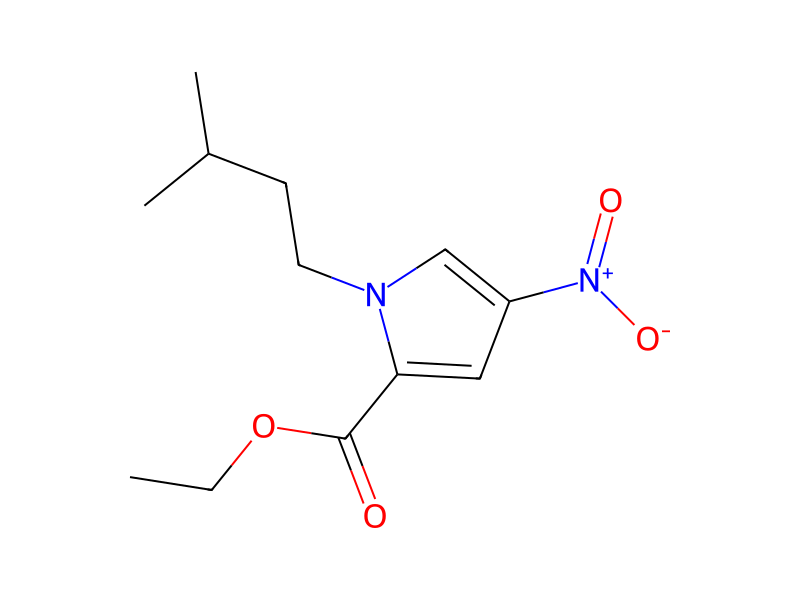
Water → Ethyl 1-isopentyl-4-nitro-1H-pyrrole-2-carboxylate

HRID 1071802
Print

Reaction equation

HRID 1071802 reaction equation
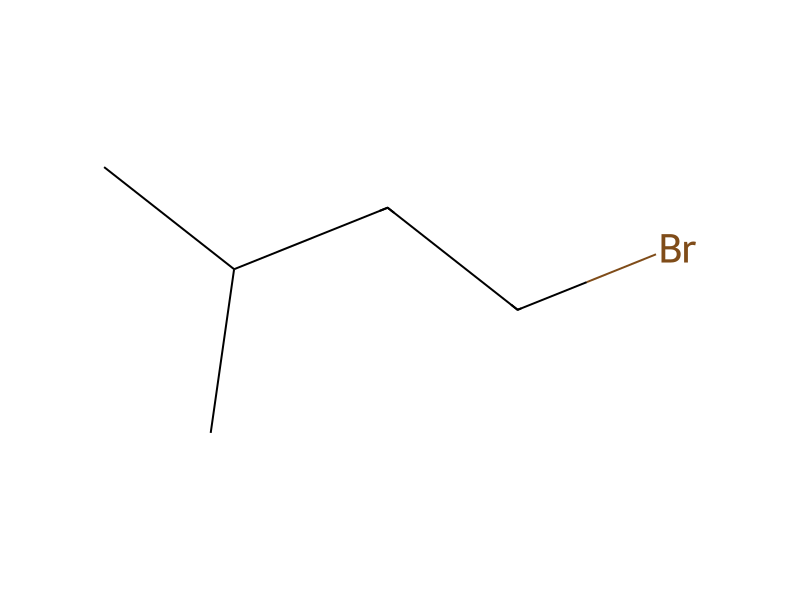
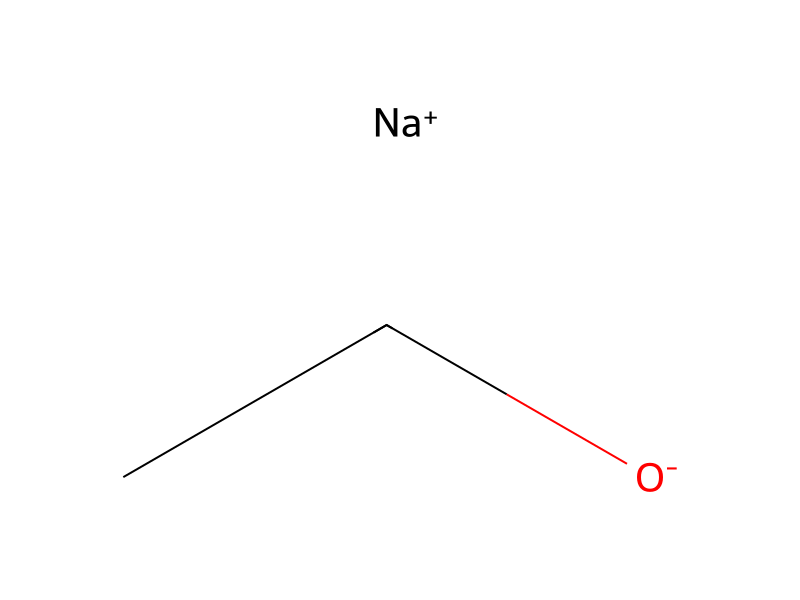
[CH2:1]([O:3][C:4]([C:6]1[NH:7][CH:8]=[C:9]([N+:11]([O-:13])=[O:12])[CH:10]=1)=[O:5])[CH3:2].[O-]CC.[Na+].Br[CH2:19][CH2:20][CH:21]([CH3:23])[CH3:22].O>C(O)C>[CH2:1]([O:3][C:4]([C:6]1[N:7]([CH2:19][CH2:20][CH:21]([CH3:23])[CH3:22])[CH:8]=[C:9]([N+:11]([O-:13])=[O:12])[CH:10]=1)=[O:5])[CH3:2]
ParticipantsProcedureWorkupSources & evidenceReaction notes

Participants

6

Reactant 4

HCID 962WaterHCID 78911-Bromo-3-methylbutaneHCID 242169Ethyl 4-Nitropyrrole-2-carboxylateHCID 2723922Sodium ethoxide

Product 1

HCID 67183320Ethyl 1-isopentyl-4-nitro-1H-pyrrole-2-carboxylateYield 29%

Reagents, catalysts & solvents 1

HCID 702
Ethanol
Solvent
2×

Procedure

4-Nitro-1H-pyrrole-2-carboxylic acid ethyl ester (3.69 g, 20.04 mmol) was dissolved in 100 ml of hot anhydrous ethanol and the solution was cooled to room temperature. 30 ml of sodium ethoxide (about 1M) in ethanol was added. The reaction mixture was stirred at room temperature for 20 min and 1-bromo-3-methylbutane (8 ml) was added. The mixture was stirred at reflux for 6 h and cooled to room temperature and then poured into water. The pale yellow precipitates were collected by filtration, washed with water, and dried to give the product (1.48 g, 29%).

Workup

  1. stirringThe mixture was stirred
  2. temperatureat reflux for 6 h
  3. temperaturecooled to room temperature
  4. customThe pale yellow precipitates
  5. filtrationwere collected by filtration
  6. washwashed with water
  7. customdried

Sources & evidence

ORD record
ord-f8ec6e1ab22a4e0dbeee2f3b61d58de0
Source dataset
uspto-grants-2005_06
DOI
10.6084/m9.figshare.5104873.v1
Patent number
US06906103B2

Reaction notes

On this pageParticipantsProcedureWorkupSources & evidenceReaction notes