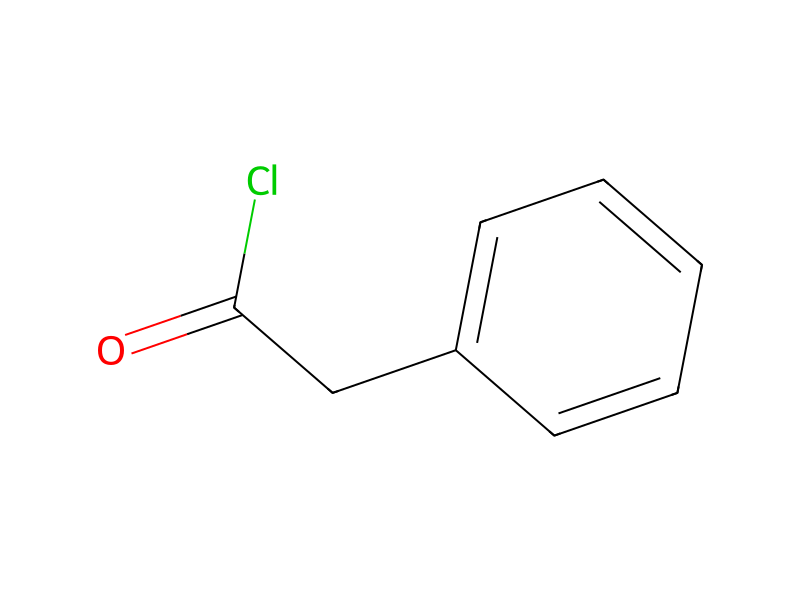
[Cl:1][C:2]1[CH:3]=[C:4]([CH:13]=[CH:14][CH:15]=1)[C:5]([NH:8][CH2:9][C:10](=[O:12])[CH3:11])([CH3:7])[CH3:6].C(=O)([O-])[O-].[K+].[K+].[C:22]1([CH2:28][C:29](Cl)=[O:30])[CH:27]=[CH:26][CH:25]=[CH:24][CH:23]=1>CC(C)=O>[Cl:1][C:2]1[CH:3]=[C:4]([CH:13]=[CH:14][CH:15]=1)[C:5]([N:8]([CH2:9][C:10](=[O:12])[CH3:11])[C:29](=[O:30])[CH2:28][C:22]1[CH:27]=[CH:26][CH:25]=[CH:24][CH:23]=1)([CH3:6])[CH3:7]22.6 g (0.1 mol) of 1-(3-chloro-α,α-dimethylbenzylamino)-2-propanone prepared by the method of Reference Example 5, was dissolved in 200 ml of acetone, and 14.0 g (0.11 mol) of potassium carbonate was added thereto. The mixture was cooled with ice water, and then 15.5 g (0.1 mol) of phenylacetyl chloride was gradually dropwise added thereto under stirring. After completion of the dropwise addition, the reaction mixture was returned to room temperature and stirred for 3 hours. Then, the solvent was distilled off under reduced pressure, and then water was added to the residue, and the mixture was extracted with ethyl acetate. The ethyl acetate layer was dried over anhydrous magnesium sulfate, and the solvent was distilled off under reduced pressure. The residue was crystallized from n-hexane to obtain 21.5 g (yield: 62.5%) of the desired compound.