Acrylic Acid → Butylacrylate ethylacrylate acrylic acid
HRID 1089093
Reaction equation

[CH2:1]([O:3][C:4](=[O:7])[CH:5]=[CH2:6])[CH3:2].[CH2:8]([O:12][C:13](=[O:16])[CH:14]=[CH2:15])[CH2:9][CH2:10][CH3:11].[C:17]([OH:21])(=[O:20])[CH:18]=[CH2:19]>>[CH2:8]([O:12][C:13](=[O:16])[CH:14]=[CH2:15])[CH2:9][CH2:10][CH3:11].[CH2:1]([O:3][C:4](=[O:7])[CH:5]=[CH2:6])[CH3:2].[C:17]([OH:21])(=[O:20])[CH:18]=[CH2:19]Participants
4
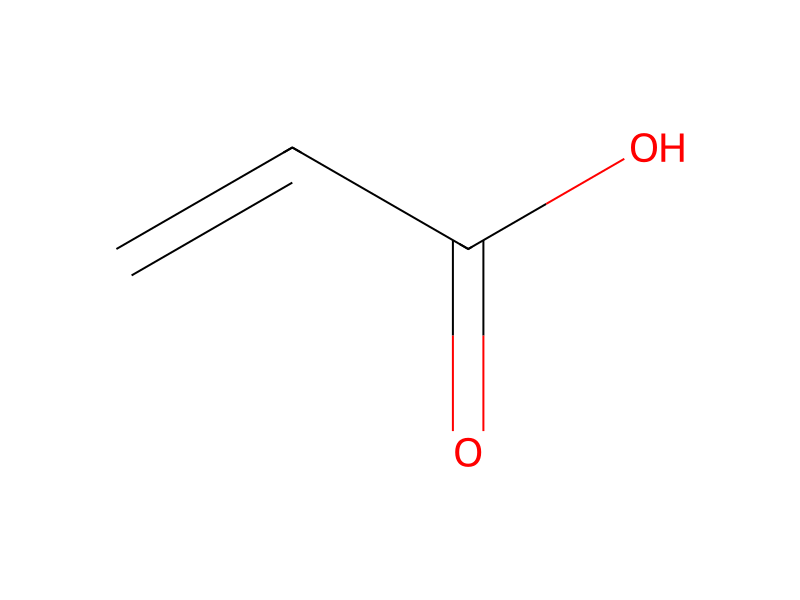
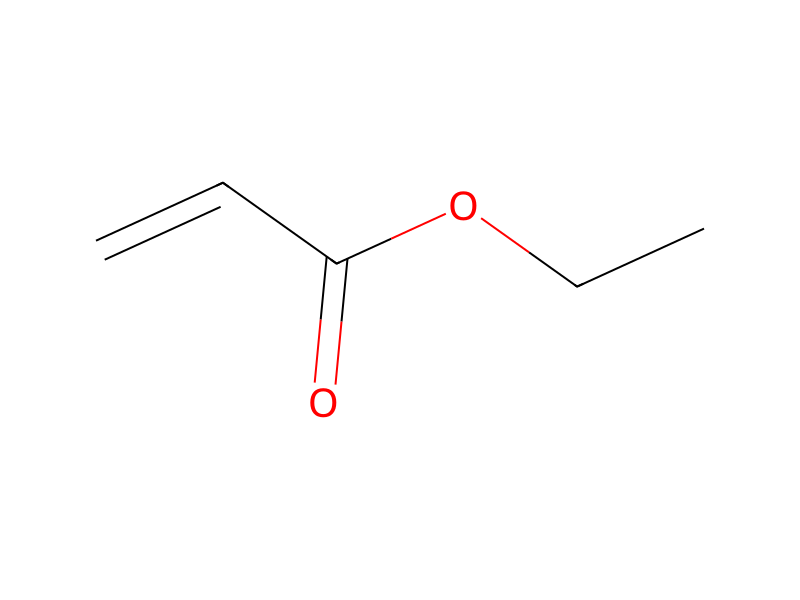
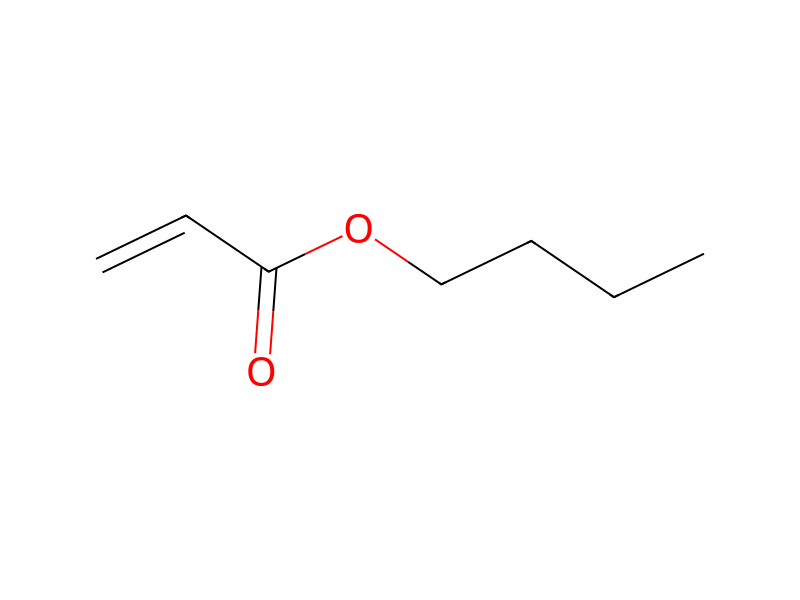

Procedure
Into a reaction vessel was added a solution of 72.6 g of ethylacrylate, 93 g of butylacrylate, 3.8 g of acrylic acid, 5 g of azo-bis-isobutylronitrile and 0.68 g of lauryl mercapan. Initially, 10 g were added and the solution was heated up until the induction period had passed. The main portion was then added at a rate so that the internal temperature remained between 125°-130° C. The addition was carried out over a period of one hour, after which time the polymer material could be stirred easily. The polymer material remains a clear but viscous liquid at 25° C., with comonomer proportions of 54.5:43.1:2.4.