Reaction equation

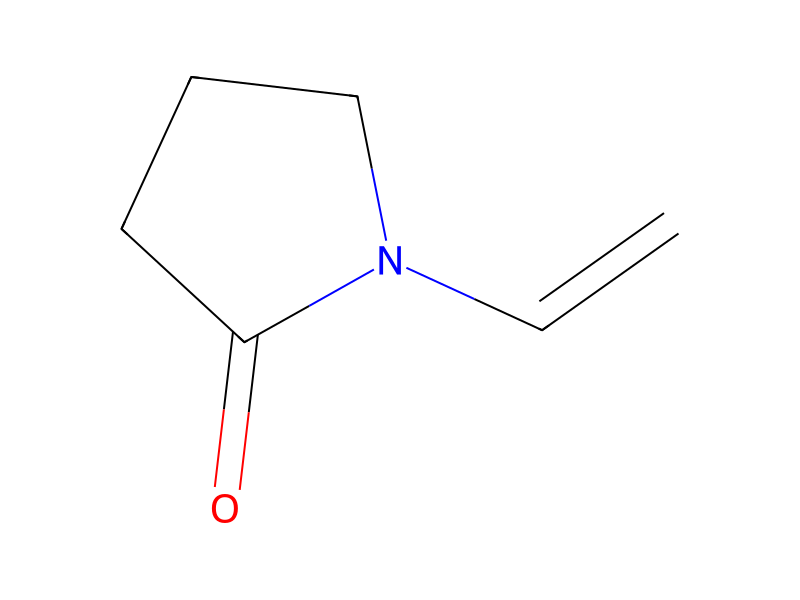
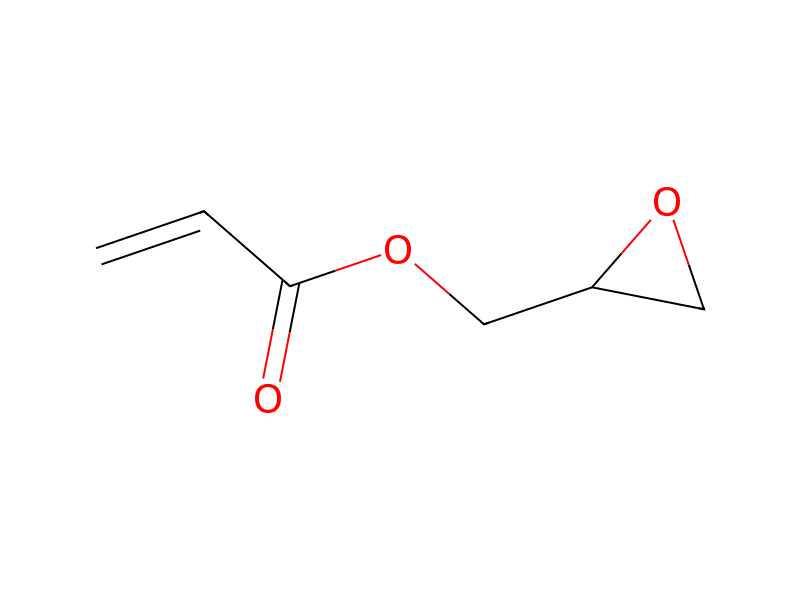
[C:1]([O:4][CH:5]=[CH2:6])(=[O:3])[CH3:2].[CH:7]([N:9]1[CH2:13][CH2:12][CH2:11][C:10]1=[O:14])=[CH2:8].[C:15]([O:19][CH2:20][CH:21]1[O:23][CH2:22]1)(=[O:18])[CH:16]=[CH2:17]>C(O)C>[CH:7]([N:9]1[CH2:13][CH2:12][CH2:11][C:10]1=[O:14])=[CH2:8].[C:1]([O:4][CH:5]=[CH2:6])(=[O:3])[CH3:2].[C:15]([O:19][CH2:20][CH:21]1[O:23][CH2:22]1)(=[O:18])[CH:16]=[CH2:17]Participants
5
Reactant 1

Product 3

Reagents, catalysts & solvents 1

Procedure
A hydrophilic coating was formed by the same method as that of Example 3 except using N-vinylpyrrolidone-vinyl acetate-glycidyl acrylate copolymer having a molecular weight of about 500,000 obtained by polymerizing 7.0 g of N-vinylpyrrolidone, 2.0 g vinyl acetate and 1.0 g of glycidyl acrylate in ethyl alcohol by using V-65 (azobisvaleronitrile) as an initiator as a component B.
Workup
- customA hydrophilic coating was formed by the same method as that of Example 3
Sources & evidence
- ORD record
- ord-99835f1872314b45901cf90a9baceaa8
- Source dataset
- uspto-grants-1992_01
- Patent number
- US05079093
Linked notes
Loading…