HomeMCPWorkbenchSkills
HomeWorkbenchNotificationsMe
llms.txt · MCP GuidePrivacy Policy · Terms of Service · Supportv1.8.0
  1. Home
  2. /Reaction

1-Bromo-2-Chloroethane → HCID 13055729, compound

HRID 1090695
Notes
Print preview

Reaction equation

HRID 1090695 reaction equation
[OH-].[K+].[OH:3][C:4]1[CH:13]=[CH:12][CH:11]=[C:10]2[C:5]=1[CH2:6][CH2:7][C:8](=[O:14])[NH:9]2.Br[CH2:16][CH2:17][Cl:18].[OH-].[Na+]>C(O)CC>[Cl:18][CH2:17][CH2:16][O:3][C:4]1[CH:13]=[CH:12][CH:11]=[C:10]2[C:5]=1[CH2:6][CH2:7][C:8](=[O:14])[NH:9]2
ParticipantsProcedureWorkupSources & evidenceReaction notes

Participants

6

Reactant 4

HCID 78491-Bromo-2-ChloroethaneHCID 14797Potassium HydroxideHCID 14798Sodium HydroxideHCID 1691533,4-Dihydro-5-hydroxy-2(1H)-quinolinone

Product 1

HCID 13055729HCID 13055729, compoundYield 69%

Reagents, catalysts & solvents 1

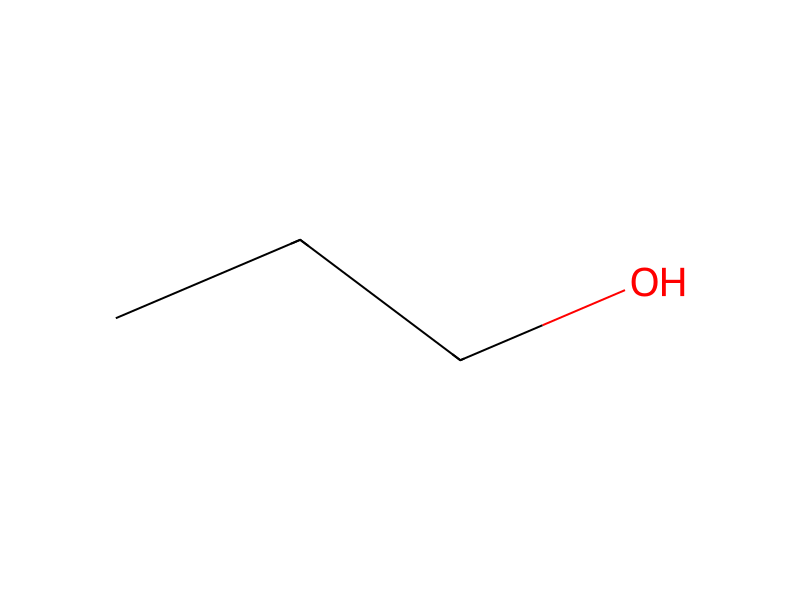
HCID 1031
1-Propanol
Solvent

Procedure

Potassium hydroxide (20 g) was added to a solution of 3,4-dihydro-5-hydroxycarbostyril (32.5 g) in propanol (250 mL), and stirred at 50°-60° C. until complete dissolution. 1-bromo-2-chloroethane (30 g) was then added, and the mixture heated at reflux temperature for 15 hours. After cooling, the reaction mixture was poured into aqueous sodium hydroxide (2N, 500 mL). The crude product thus formed was isolated by filtration, then recrystallized from diisopropyl ether to yield 31 g of pure 5-(2-chloroethoxy)-3,4-dihydrocarbostyril.

Workup

  1. temperaturethe mixture heated
  2. temperatureat reflux temperature for 15 hours
  3. temperatureAfter cooling
  4. customThe crude product thus formed
  5. customwas isolated by filtration
  6. customrecrystallized from diisopropyl ether

Sources & evidence

ORD record
ord-27e851a848b84d86a3cd8a2d3e387d36
Source dataset
uspto-grants-1992_01
DOI
10.6084/m9.figshare.5104873.v1
Patent number
US05082847

Reaction notes

Loading…

On this pageParticipantsProcedureWorkupSources & evidenceReaction notes