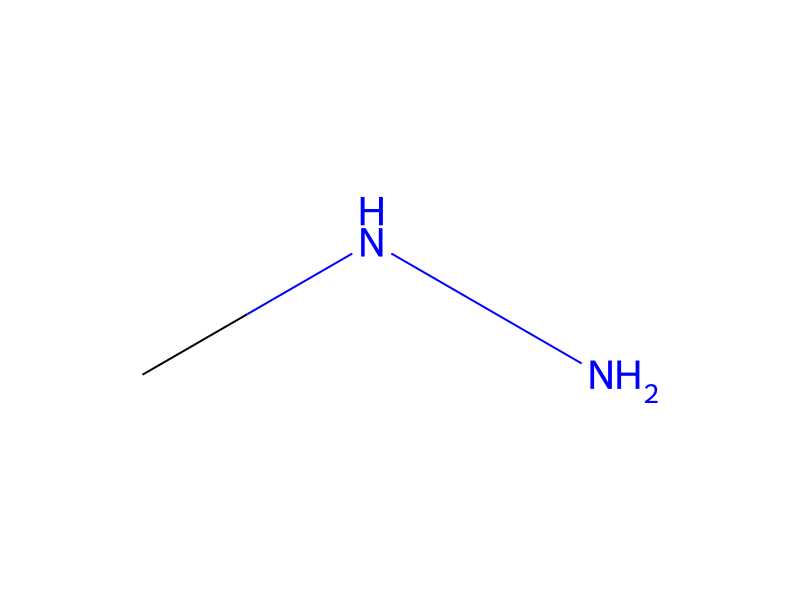
To a cloudy solution of 2,4,6-trichloro-pyrimidine-5-carbaldehyde (1.1 g, 5.2 mmol) in chloroform (50 mL) cooled to −78° C. was added in drops methylhydrazine (0.24 g, 5.2 mmol), followed by triethylamine (1.4 mL). The cooling bath was then removed, allowing the mixture to warm to room temperature. The mixture was concentrated to dryness under reduced pressure, and the residue was dissolved in ethanol (50 mL). Triethylamine (1 mL) was added to the mixture, followed by 8-oxa-3-azabicyclo[3.2.1]octane hydrochloride (0.51 g, 3.4 mmol). The mixture was concentrated under reduced pressure and the residue was purified by automated flash chromatography (methanol/chloroform) to provide 3-(6-chloro-1-methyl-1H-pyrazolo[3,4-d]pyrimidin-4-yl)-8-oxa-3-azabicyclo[3.2.1]octane. MS (ES+): 280.0, 281.9 (M+H)+