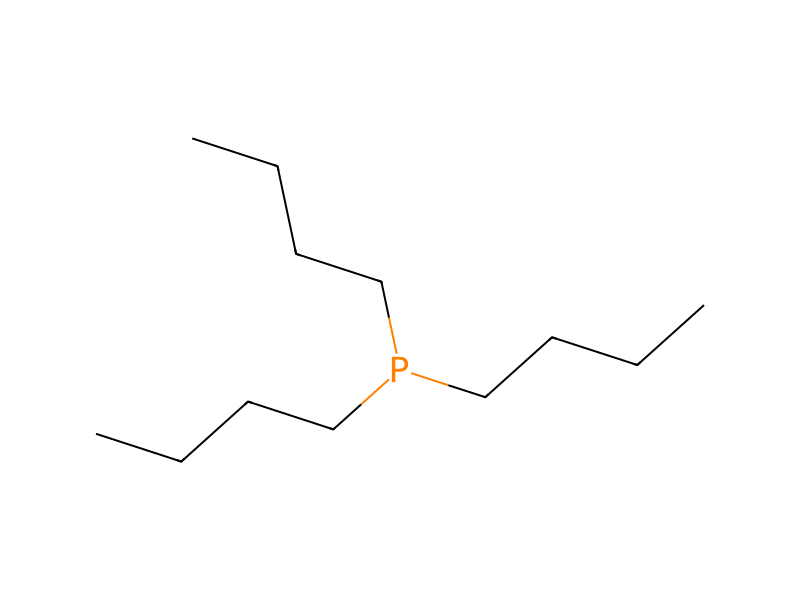
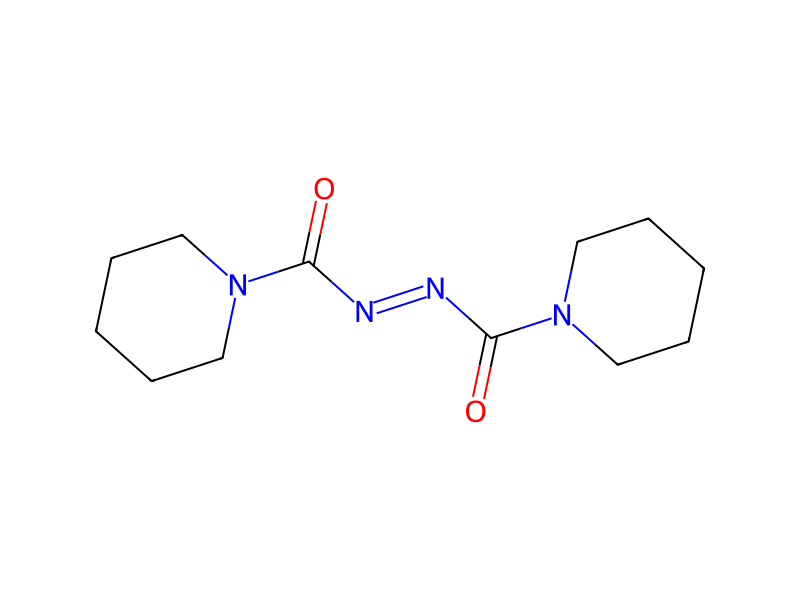
N(C(N1CCCCC1)=O)=NC(N1CCCCC1)=O.[F:19][C:20]1[CH:21]=[C:22]2[CH:28]=[C:27]([C:29]([O:31][CH2:32][CH3:33])=[O:30])[NH:26][C:23]2=[N:24][CH:25]=1.[N:34]1[CH:39]=[CH:38][C:37]([CH2:40]O)=[CH:36][CH:35]=1.C(P(CCCC)CCCC)CCC>C1(C)C=CC=CC=1>[N:34]1[CH:39]=[CH:38][C:37]([CH2:40][N:26]2[C:23]3=[N:24][CH:25]=[C:20]([F:19])[CH:21]=[C:22]3[CH:28]=[C:27]2[C:29]([O:31][CH2:32][CH3:33])=[O:30])=[CH:36][CH:35]=19.18 g (36.02 mmol) of 1,1′-(azodicarbonyl)dipiperidine are added, in a quarter of an hour, to a solution, stirred at 20° C., of 5 g (24.02 mmol) of ethyl 5-fluoro-1H-pyrrolo[2,3-b]pyridine-2-carboxylate (Example 21.3), 3.97 g (36.02 mmol) of (pyridin-4-yl)methanol and 7.5 g (36.02 mmol) of tributylphosphine in 150 ml of toluene. The reaction mixture is stirred at 20° C. for 16 hours, filtered over a celite buffer, concentrated under reduced pressure and then taken up in 100 ml of dichloromethane. The organic solution is washed twice with 50 ml of a 5% aqueous solution of potassium carbonate and then once with 50 ml of water, dried over sodium sulphate and concentrated under reduced pressure. The product obtained is chromatographed on a silica column, elution being carried out with a mixture of heptane and ethyl acetate. 4.5 g of the expected ester are thus isolated.