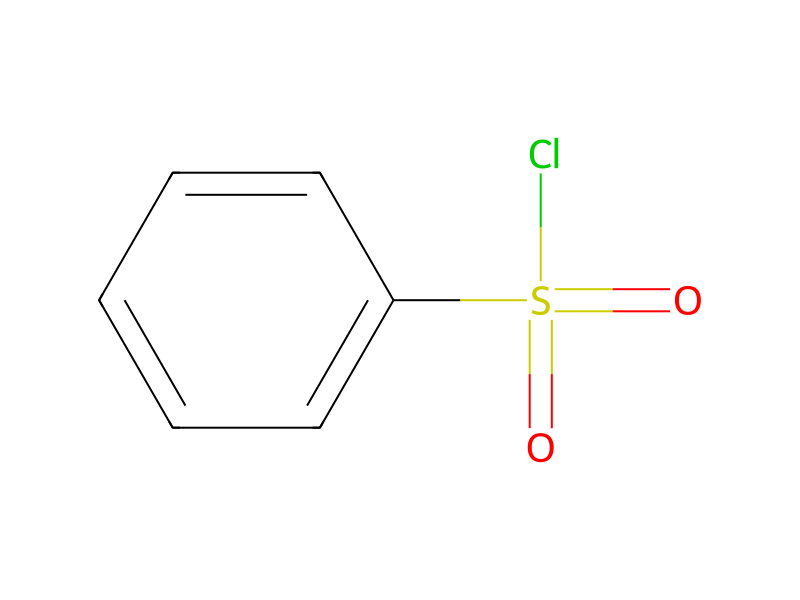
[CH3:1][CH:2]([CH3:23])[CH2:3][N:4]1[C:16]2[C:15]3[N:14]=[CH:13][CH:12]=[CH:11][C:10]=3[N+:9]([O-])=[CH:8][C:7]=2[N:6]=[C:5]1[NH:18][C:19](=[O:22])[O:20][CH3:21].[OH-].[NH4+:25].C1(S(Cl)(=O)=O)C=CC=CC=1>CO>[NH2:25][C:8]1[C:7]2[N:6]=[C:5]([NH:18][C:19](=[O:22])[O:20][CH3:21])[N:4]([CH2:3][CH:2]([CH3:23])[CH3:1])[C:16]=2[C:15]2[N:14]=[CH:13][CH:12]=[CH:11][C:10]=2[N:9]=1A suspension of methyl [1-(2-methylpropyl)-5-oxido-1H-imidazo[4,5-c][1,5]naphthyridin-2-yl]carbamate (0.9 g, 3 mmol) in methanol (25 mL) was stirred vigorously and heated to 50° C. Concentrated ammonium hydroxide (0.95 mL, 14 mmol) was added followed by benzenesulfonyl chloride (1.06 g, 5.99 mmol), which was added dropwise. The mixture was stirred for two hours at 50° C. An analysis by LC/MS indicated the reaction was incomplete. Additional benzenesulfonyl chloride (1.06 g) and concentrated ammonium hydroxide (0.95 mL) were added, and the reaction mixture was stirred overnight at 45° C. The solvent was removed under reduced pressure, and the residue dissolved in chloroform (100 mL). The solution was washed sequentially with aqueous sodium carbonate (2×100 mL of 4% w/w) and water (100 mL) and then purified by automated flash chromatography (40+M silica cartridge, eluting with 5% to 25% CMA in chloroform) followed by recrystallization from ethyl acetate to provide 0.28 g of methyl [4-amino-1-(2-methylpropyl)-1H-imidazo[4,5-c][1,5]naphthyridin-2-yl]carbamate as a yellow solid.
Loading…