Reaction equation

[C:1]([OH:5])(=[O:4])[CH:2]=[CH2:3].[C:6]([NH2:10])(=[O:9])[CH:7]=[CH2:8].[C:11]([O:15][CH2:16][CH:17]([OH:19])[CH3:18])(=[O:14])[CH:12]=[CH2:13].S(OOS([O-])(=O)=O)([O-])(=O)=O.[NH4+].[NH4+].S([O-])(OCCCCCCCCCCCC)(=O)=O.[Na+:49].[OH-].[Na+]>CO.CC(C)=O>[C:1]([O-:5])(=[O:4])[CH:2]=[CH2:3].[Na+:49].[C:11]([O:15][CH2:16][CH:17]([OH:19])[CH3:18])(=[O:14])[CH:12]=[CH2:13].[C:6]([NH2:10])(=[O:9])[CH:7]=[CH2:8]Participants
Reactant 6





Product 2

Reagents, catalysts & solvents 2


Procedure
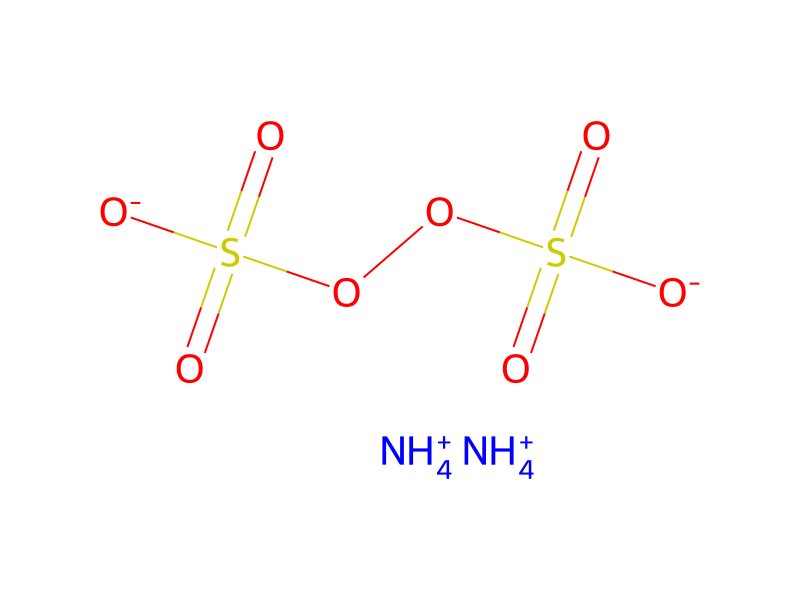
A terpolymer of sodium acrylate-2-hydroxypropyl acrylate and acrylamide was prepared utilizing an emulsion polymerization process. The mole ratios of acrylic acid to acrylamide, mole percent of 2-hydroxypropyl acrylate and molecular size were varied by controlling the reaction parameters. Six representative samples of the terpolymer were prepared with the compositions of the various terpolymers being estimated based upon their total nitrogen content. In the reaction, ammonium persulfate was utilized as the polymerization initiator or catalyst. Reagent grade acetone and reagent grade anhydrous methanol were utilized to form the solvent. The emulsifier was sodium lauryl sulfate, and 2 N aqueous sodium hydroxide was utilized to neutralize the reactants. The dried products were thereafter milled and passed through a number 30 mesh screen. The reaction was conducted over a period of three hours at a reaction temperature of about 60° C.
Workup
- customan emulsion polymerization process
- customthe reaction parameters
- customSix representative samples of the terpolymer were prepared with the compositions of the various terpolymers
- customto form the solvent
- customThe dried products were thereafter milled
Sources & evidence
- ORD record
- ord-bba8ba5f4c674effba9024936ea21e88
- Source dataset
- uspto-grants-1982_01
- Patent number
- US04309329
Linked notes
Loading…