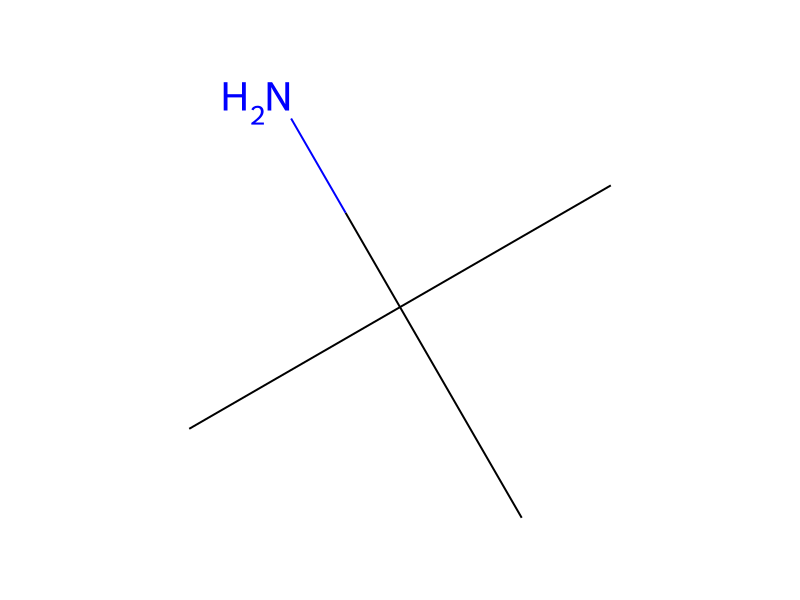
C(N)(C)(C)C.[C:6]([NH:10][CH2:11][CH:12]([OH:25])[CH2:13][O:14][C:15]1[C:24]2[CH2:23][CH:22]=CC[C:19]=2[CH:18]=[CH:17][CH:16]=1)([CH3:9])([CH3:8])[CH3:7].[C:26]([O:29]I)(=O)[CH3:27].C(O)(=[O:33])C>[Ag]I>[CH3:7][C:6]([NH:10][CH2:11][CH:12]([OH:25])[CH2:13][O:14][C:15]1[CH:16]=[CH:17][CH:18]=[C:19]2[CH2:27][C@@H:26]([OH:29])[C@@H:22]([OH:33])[CH2:23][C:24]=12)([CH3:9])[CH3:8]Subsequently Hauck in Canadian Letters Patent 1,041,544 attempted to separate the four optical cis isomers of 2,3-cis-1,2,3,4-tetrahydro-S-[2-hydroxy-3-(tert-butylamino) propoxy]-2,3-naphthalenediol in order to determine the best of these isomers. The processes of manufacture (See pages 4, 5 and 6 of the Patent and example 4 at pages 18 and of the patent) employ water. Crystallization of isomer product is from chloroform. In Hauck's laboratory procedure resulting 1-(2,3-epoxypropoxy)-5,8-dihydronaphthalene is isolated and subsequently reacted with t-butylamine in a high pressure reactor. The resulting dl-1-(tert-butylamino)-3-(5,8-dihydronaphthyl)oxyl-2-propanol is then cis hydroxylated with wet acetic acid, silver iodide, and the resulting acetoxy iodide is hydrolysed with base and finally subjected to catalytic hydrogenation to afford crude Nadolol.