Reaction equation

C1C=CN=CC=1.[FH:7].[Cl:8][C:9]1[CH2:10][C:11]2[C:16](=[O:17])[O:15][C:13](=[O:14])[C:12]=2[CH2:18][CH:19]=1.[Br:20]N1C(=O)CCC1=O.C(=O)([O-])[O-].[Na+].[Na+]>C(Cl)Cl>[Br:20][CH:19]1[CH2:18][C:12]2[C:13]([O:15][C:16](=[O:17])[C:11]=2[CH2:10][C:9]1([Cl:8])[F:7])=[O:14]Participants
6





Procedure
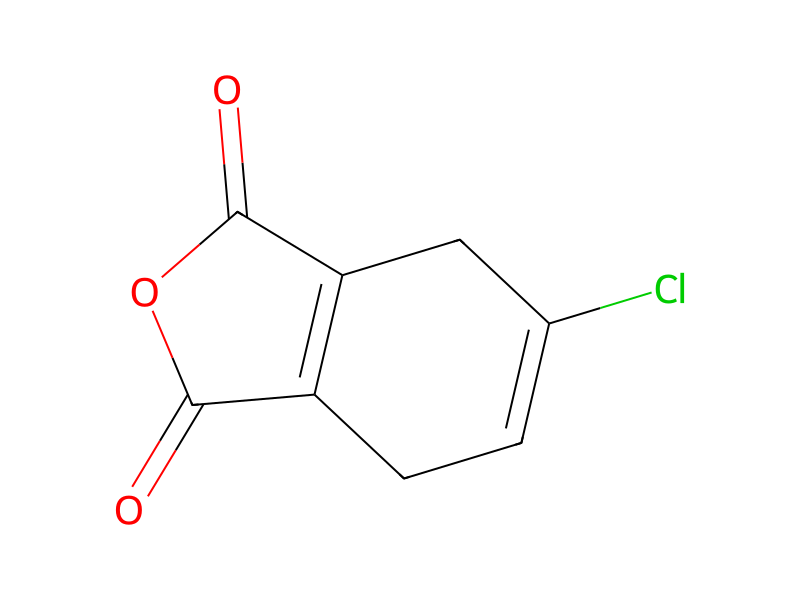
Pyridinium poly(hydrogen fluoride) was added to a solid mixture of 4-chloro-3,6-dihydrophthalic anhydride (0.22 g) and N-bromosuccinimide (0.21 g) at room temperature. The reaction mixture was stirred for 3.25 hours and then carefully poured into a two phase system containing saturated sodium carbonate and methylene chloride. The methylene chloride layer was dried over magnesium sulfate and the solvent removed under reduced pressure. The residue was analyzed by NMR and GC-MS and contained 5-bromo -4-fluoro-3,4,5,6-tetrahydrophthalic anhydride as the major product along with some 4-fluorophthalic anhydride.
Workup
- additioncarefully poured into a two phase system
- dry with materialThe methylene chloride layer was dried over magnesium sulfate
- customthe solvent removed under reduced pressure
Sources & evidence
- ORD record
- ord-500ce20f28264da08f0ddc01cbb64ed7
- Source dataset
- uspto-grants-1994_06
- Patent number
- US05322954
Linked notes
Loading…