HomeMCPWorkbenchSkills
HomeWorkbenchNotificationsMe
llms.txt · MCP GuidePrivacy Policy · Terms of Service · Supportv1.8.0
  1. Home
  2. /Reaction

HCID 54187688, compound → 4-Chlorophthalic anhydride

HRID 1111180
Notes
Print preview

Reaction equation

HRID 1111180 reaction equation
[Cl:1][CH:2]1[CH:12]=[CH:11][CH:5]2[C:6]([O:8][C:9](=[O:10])[CH:4]2[CH2:3]1)=[O:7]>ClC1C=CC(Cl)=CC=1Cl>[Cl:1][C:2]1[CH:3]=[C:4]2[C:9](=[O:10])[O:8][C:6](=[O:7])[C:5]2=[CH:11][CH:12]=1
ParticipantsConditionsProcedureWorkupSources & evidenceReaction notes

Participants

3

Reactant 1

HCID 54187688HCID 54187688, compound

Product 1

HCID 670444-Chlorophthalic anhydrideYield 67%

Reagents, catalysts & solvents 1

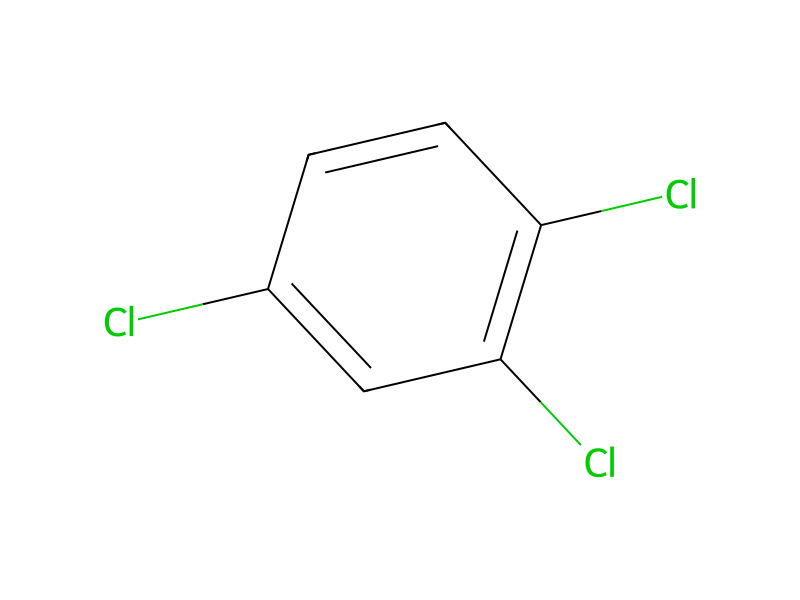
HCID 131,2,4-TrichlorobenzeneSolvent

Conditions

Temperature
230 °C

Procedure

Into a 3 necked round bottom flask is placed 49.47 grams of 4-chlorotetrahydrophthalic anhydride, 20.26 g activated carbon (NORIT CA-1) and 200 ml of 1,2,4-trichlorobenzene. The flask is fitted with an air inlet tube, a stirrer, and an addition funnel-condenser to collect water and allow the reflux to return to the flask. The flask was heated and raised to 230° C. with a constant flow of air. The reaction was conducted for eight hours. The carbon was removed by filtration and washed. The contents was concentrated under vacuum and analysis confirmed a yield of 67% 4-chlorophthalic anhydride and 4% of unreacted starting material.

Workup

  1. customThe flask is fitted with an air inlet tube, a stirrer, and an addition funnel-condenser
  2. customto collect water
  3. temperaturereflux
  4. temperatureThe flask was heated
  5. customThe carbon was removed by filtration
  6. washwashed
  7. concentrationThe contents was concentrated under vacuum and analysis

Sources & evidence

ORD record
ord-556810063feb4b12b18147101638a31f
Source dataset
uspto-grants-1990_12
DOI
10.6084/m9.figshare.5104873.v1
Patent number
US04978760

Reaction notes

Loading…

On this pageParticipantsConditionsProcedureWorkupSources & evidenceReaction notes