Reaction equation

CC(O)(CCC(C)([OH:8])C)C.[CH3:11][C:12]1([CH3:24])[C:21]2[C:16](=[CH:17][CH:18]=[CH:19][CH:20]=2)[C:15](C)(C)[CH2:14][CH2:13]1.CC1(C)[C:39]2[C:30](=[CH:31][C:32]3[C:33]([CH3:43])([CH3:42])[CH2:34][CH2:35][C:36](C)(C)[C:37]=3[CH:38]=2)C(C)(C)CC1.[Al+3].[Cl-].[Cl-].[Cl-]>>[C:12]([CH2:13][CH:14]([CH3:15])[OH:8])([CH3:24])([CH3:11])[C:21]1[CH:16]=[CH:17][CH:18]=[CH:19][CH:20]=1.[CH3:42][C:33]1([CH3:43])[C:32]2[C:31](=[CH:30][CH:39]=[CH:38][CH:37]=2)[CH:35]([CH3:36])[CH2:34]1Participants
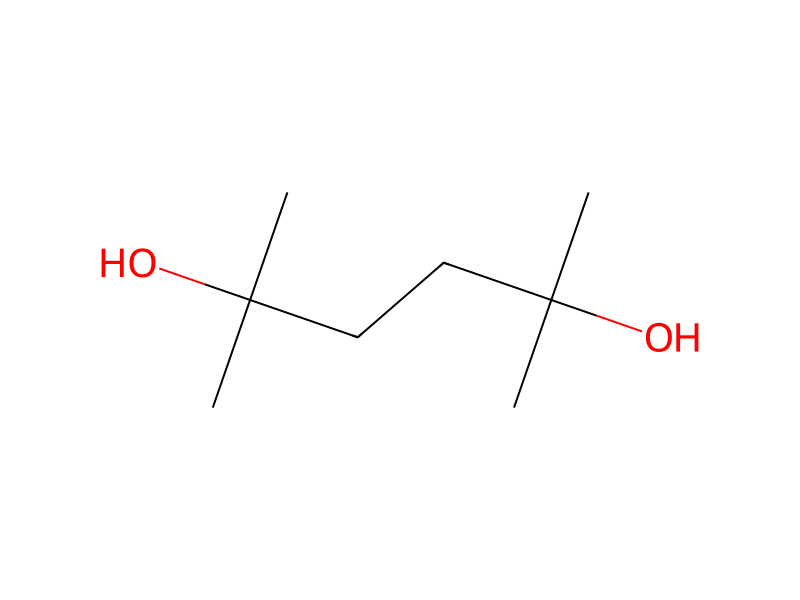
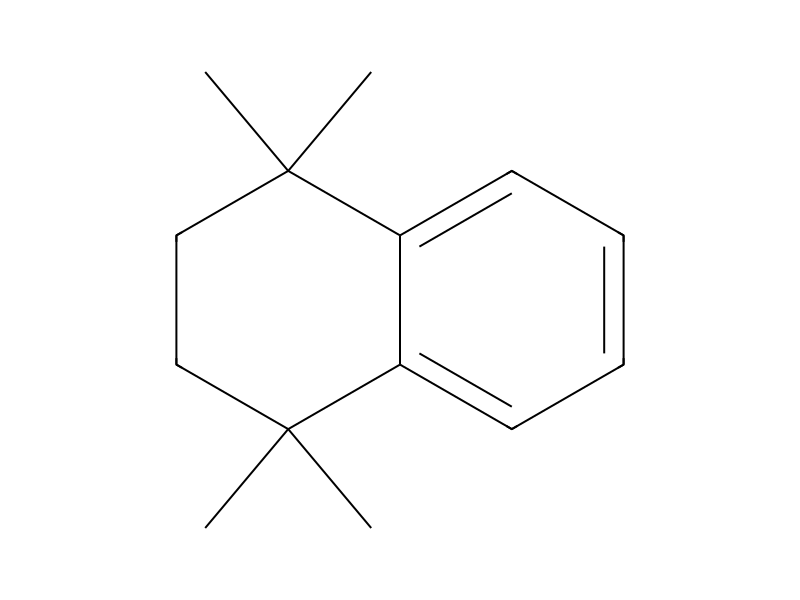




Procedure
"C6H6 concenses with (Me2C(OH) 2 only if 2-2.5 moles AlCl3 are used at 80°, yielding 8% 1,1,2-trimethyl-indan and some 50% Me2CAc. CH2 (CMe2OH)2 with 1.5 moles AlCl3 at 50°-70° yields 52.5% 1,1,3,3-tetramethyl-indan and 18% 1,2,3,5,6,7-hexahydro-1,1,3,3,5,5,7,7-octamethyl-indacene, m. 214°, while 2,5-dimethyl-2,5-hexanediol similarly gives 57.3% 1,1,4,4-tetramethyl-1,2,3,4-tetrahydronaphthalene and 1,1,4,4,5,5,8,8-octamethyl-1,2,3,4,5,6,7,8-octahydroanthracene (20%). Reaction with MeCH-(OH)CH2C(OH)Me2 with 1.5 moles AlCl3 at 50°-60° gave 20% Me2CPhCH2CH(OH)Me and 25% 1,1,3-trimethyl-indan. Me2C(OH)CH2COMe with 2 moles AlCl3 at 20° gave 61% PhCH2CHMeCH2COMe and a little unknown product, m. 127°. The mechanism is probably analogous to that given for ROH (Byull. Sredneaziat. Gosudarst. Univ. No. 25, 45(1947), with additional possibility of intermediate formation of oxido structures."
Workup
- custom214°
Sources & evidence
- ORD record
- ord-7541e790da534d72bc476c1906e0383a
- Source dataset
- uspto-grants-1978_10
- Patent number
- US04123469
Linked notes
Loading…