Reaction equation

[NH2:1][C:2]1[C:3]([NH:8][CH:9]2[CH2:14][CH2:13][CH2:12][CH2:11][CH2:10]2)=[N:4][CH:5]=[CH:6][CH:7]=1.[CH2:15]([O:17][C:18]([N:20]=[C:21]=S)=[O:19])[CH3:16].[CH2:23]([NH:26][CH2:27][CH2:28]C)[CH2:24]C>CN(C=O)C>[CH:9]1([NH:8][C:3]2[C:2]([N:1]=[C:21]([NH:20][C:18](=[O:19])[O:17][CH2:15][CH3:16])[N:26]([CH2:27][CH3:28])[CH2:23][CH3:24])=[CH:7][CH:6]=[CH:5][N:4]=2)[CH2:14][CH2:13][CH2:12][CH2:11][CH2:10]1Participants
5
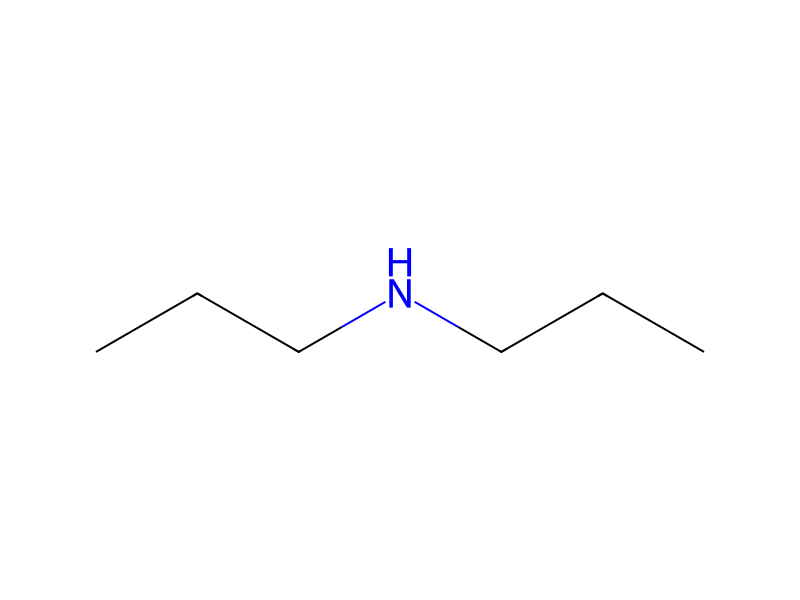



Conditions
- Temperature
- 0 °C
Procedure
A mixture of 0.02 mol (3.82 g) of 3-amino-2-cyclohexylaminopyridine from Preparation 1 and 0.02 mol of ethoxycarbonyl isothiocyanate is stirred in 50 ml of DMF at ambient temperature for 3 hours. The solution is then cooled to 0° C., and 0.05 mol of dipropylamine and then 0.02 mol of mercuric chloride are added in succession. After 15 minutes, the ice bath is removed and the solution is stirred at ambient temperature for 4 hours. After diluting the solution with 100 ml of ethyl acetate, filtration is carried out over Celite and the solvents are evaporated off under reduced pressure. The resulting crude product is then recrystallised from acetonitrile.
Workup
- customthe ice bath is removed
- additionAfter diluting the solution
- filtrationwith 100 ml of ethyl acetate, filtration
- customthe solvents are evaporated off under reduced pressure
- customThe resulting crude product is then recrystallised from acetonitrile
Sources & evidence
- ORD record
- ord-b54805a8be0d4495a08ee3d78f19e951
- Source dataset
- uspto-grants-2006_08
- Patent number
- US07098220B2
Linked notes
Loading…