HomeMCPWorkbenchSkills
HomeWorkbenchNotificationsMe
llms.txt · MCP GuidePrivacy Policy · Terms of Service · Supportv1.8.3
  1. Home
  2. /Reaction

Hydrochloric Acid → 3-Chloro-3-cyano-2,2-dimethyl-propane-1-carboxylic acid ethyl ester

HRID 1155649
Print

Reaction equation

HRID 1155649 reaction equation
[Cl:1]Cl.[CH2:3]([O:5][C:6]([CH2:8][C:9]([CH3:17])([CH3:16])[CH:10](C(O)=O)[C:11]#[N:12])=[O:7])[CH3:4].C([O-])(=O)C.[Na+].Cl>O>[CH2:3]([O:5][C:6]([CH2:8][C:9]([CH3:17])([CH3:16])[CH:10]([Cl:1])[C:11]#[N:12])=[O:7])[CH3:4]
ParticipantsConditionsProcedureSources & evidenceReaction notes

Participants

6

Reactant 4

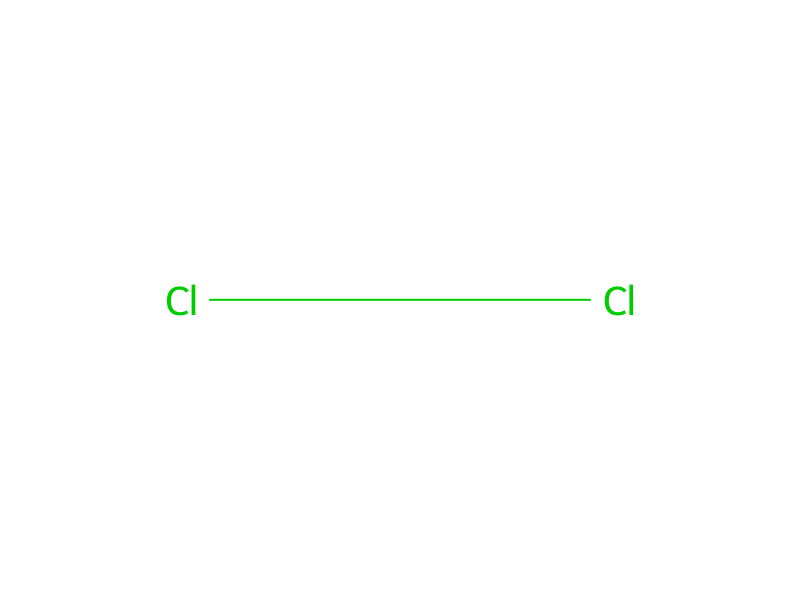
HCID 313Hydrochloric AcidHCID 24526ChlorineHCID 517045Sodium AcetateHCID 536668983-Carboxy-3-cyano-2,2-dimethyl-propane-1-carboxylic acid ethyl ester

Product 1

HCID 541017193-Chloro-3-cyano-2,2-dimethyl-propane-1-carboxylic acid ethyl esterYield 69%

Reagents, catalysts & solvents 1

HCID 962
Water
Solvent

Conditions

Temperature
20 °C

Procedure

17.8 g (0.25 mol) of chlorine were passed into a solution of 42.6 g (0.2 mol) of 3-carboxy-3-cyano-2,2-dimethyl-propane-1-carboxylic acid ethyl ester and 41 g of sodium acetate in 400 ml of water at 20° C. The mixture was subsequently stirred at 20° C. for 5 hours and then acidified with dilute HCl. The acid solution was worked up as described under Example 1. 28 g (69% of theory) of 3-chloro-3-cyano-2,2-dimethyl-propane-1-carboxylic acid ethyl ester were obtained in the form of a colorless oil of boiling point 80°-82° C./1 mm Hg.

Sources & evidence

ORD record
ord-e6385e331edc40d2b9d9d481dbadaf5b
Source dataset
uspto-grants-1982_06
DOI
10.6084/m9.figshare.5104873.v1
Patent number
US04332745

Reaction notes

On this pageParticipantsConditionsProcedureSources & evidenceReaction notes