1,2-Dichloroethane → 1-Acetyl-4-(2-chloroethyl)piperazine
Reaction equation

[C:1]([N:4]1[CH2:9][CH2:8][NH:7][CH2:6][CH2:5]1)(=[O:3])[CH3:2].[Cl:10][CH2:11][CH2:12]Cl.C(=O)([O-])[O-].[Na+].[Na+].[I-].[K+]>CC(C)C(=O)C>[C:1]([N:4]1[CH2:9][CH2:8][N:7]([CH2:12][CH2:11][Cl:10])[CH2:6][CH2:5]1)(=[O:3])[CH3:2]Participants
6
Reactant 4



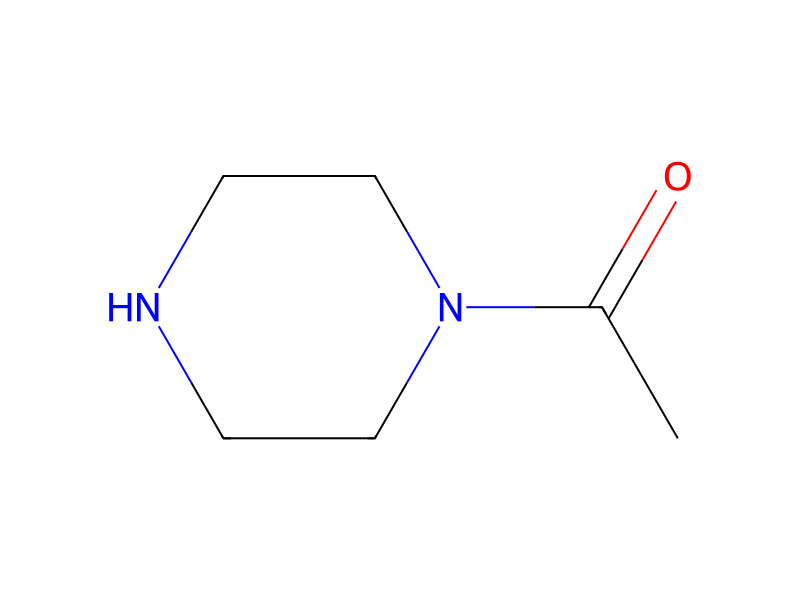
Product 1

Reagents, catalysts & solvents 1

Procedure
1-Acetylpiperazine (1.28 g, 10 mmoles), 1,2-dichloroethane (5 g, 50 mmoles), anhydrous sodium carbonate (2.5 g) and potassium iodide (25 mg) are combined in 40 ml of 3-methyl-2-butanone and refluxed for 16 hours. The reaction mixture is evaporated to dryness in vacuo and the residue distributed between 100 ml of water and 150 ml of methylene chloride. The methylene chloride layer is dried over anhydrous magnesium sulfate and evaporated to dryness to yield 2-(4-acetylpiperazino)-ethyl chloride.
Workup
- temperaturerefluxed for 16 hours
- customThe reaction mixture is evaporated to dryness in vacuo
- dry with materialThe methylene chloride layer is dried over anhydrous magnesium sulfate
- customevaporated to dryness
Sources & evidence
- ORD record
- ord-2f249119c35d45fdb3ec9d62df4af31b
- Source dataset
- uspto-grants-1982_06
- Patent number
- US04337250
Reaction notes
Loading…