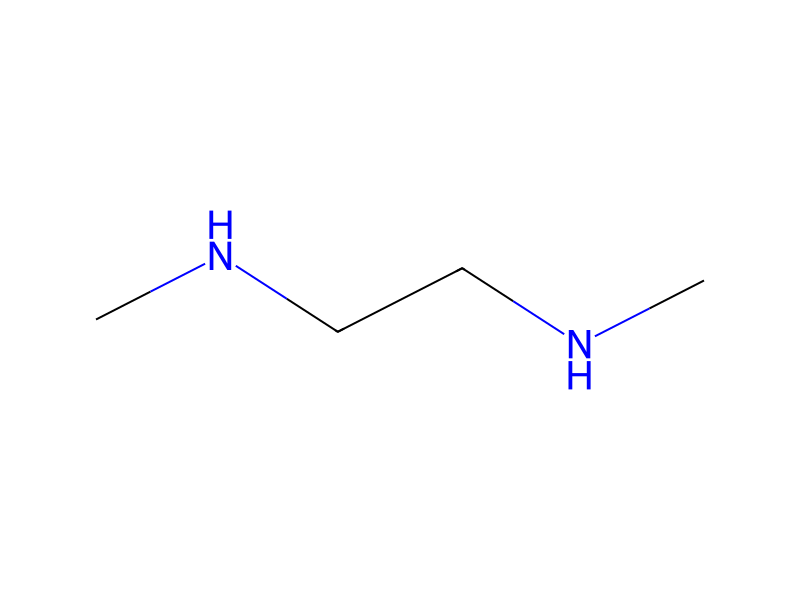
The 7-iodo-3-(2-trifluoromethylphenyl)-2H-isoquinolin-1-one (10.0 mg, 0.024 mmol) prepared in step D, copper iodide (I) (0.48 mg, 0.0025 mmol), 2-azetidinone (2.13 mg, 0.03 mmol), and potassium phosphate (11.1 mg, 0.0525 mmol) were suspended in 1,4-dioxane (0.25 ml). Thereafter, N,N′-dimethylethylenediamine (2.6 μl) was added to the suspension, and the obtained mixture was stirred under heating to reflux overnight. Thereafter, the reaction solution was cooled to a room temperature, and a saturated ammonium chloride aqueous solution was then added thereto, followed by extraction with ethyl acetate. The extract was dried over anhydrous sodium sulfate, and the solvent was then distilled away under reduced pressure. The obtained residue was purified by silica gel column chromatography (ethyl acetate hexane=3:1 to 6:1), so as to obtain 7-(2-oxoazetidin-1-yl)-3-(2-trifluoromethylphenyl)-2H-isoquinolin-1-one (3.8 mg; yield: 44%) in the form of a colorless solid.