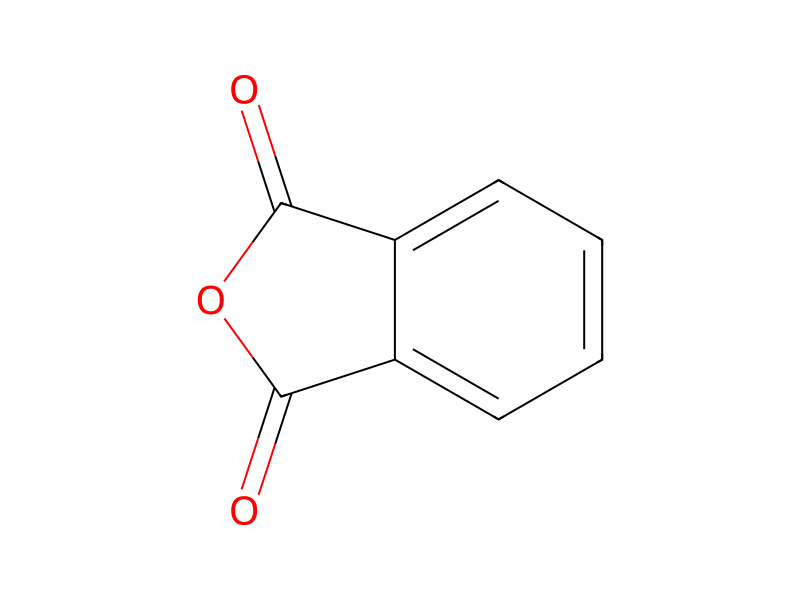
Cl.[CH3:2][O:3][C:4]([C@@H:6]1[CH2:11][CH2:10][CH2:9][NH:8][NH:7]1)=[O:5].[C:12]1(=O)[O:17][C:15](=[O:16])[C:14]2=[CH:18][CH:19]=[CH:20][CH:21]=[C:13]12.C(N(C(C)C)CC)(C)C>C1(C)C=CC=CC=1>[CH3:2][O:3][C:4]([C@H:6]1[N:7]2[C:12](=[O:17])[C:13]3[C:14]([C:15](=[O:16])[N:8]2[CH2:9][CH2:10][CH2:11]1)=[CH:18][CH:19]=[CH:20][CH:21]=3)=[O:5]A solution of (S)-hexahydro-pyridazine-3-carboxylic acid methyl ester hydrochloride (Y. Nakamura, C. J Shin, Chem. Lett, 1991, 11, 1953-1956) (370 mg, 2.05 mmol), phthalic anhydride (318 mg, 2.15 mmol) and diisopropylethylamine (291 mg, 2.25 mmol) was heated in toluene (5 mL) for 2 h. The reaction mixture was then cooled and partitioned between ethyl acetate and dilute HCl. The organic phase was washed with saturated aq. NaHCO3, dried (MgSO4), filtered and evaporated. The residue was crystallised from hexane and filtered to afford the title compound as a white solid (562 mg, 82%): 1H NMR (400 MHz, CD3OD) δ 1.59 (1H, m), 1.96 (1H, m), 2.17 (1H, m), 2.55 (1H, m), 3.38 (1H, m), 3.70 (3H, s), 4.89 (1H, m), 5.74 (1H, m), 7.89 (2H, m), 8.16 (2H, m). 13C NMR (100 MHz, CD3OD) δ 21.2 (CH2), 25.7 (CH2), 46.0 (CH2), 53.8 (CH), 58.1 (CH3), 129.0 (CH), 129.1 (CH), 130.1 (C), 130.6 (C), 135.3 (CH), 135.7 (CH), 160.4 (C), 162.4 (C), 171.7 (C).