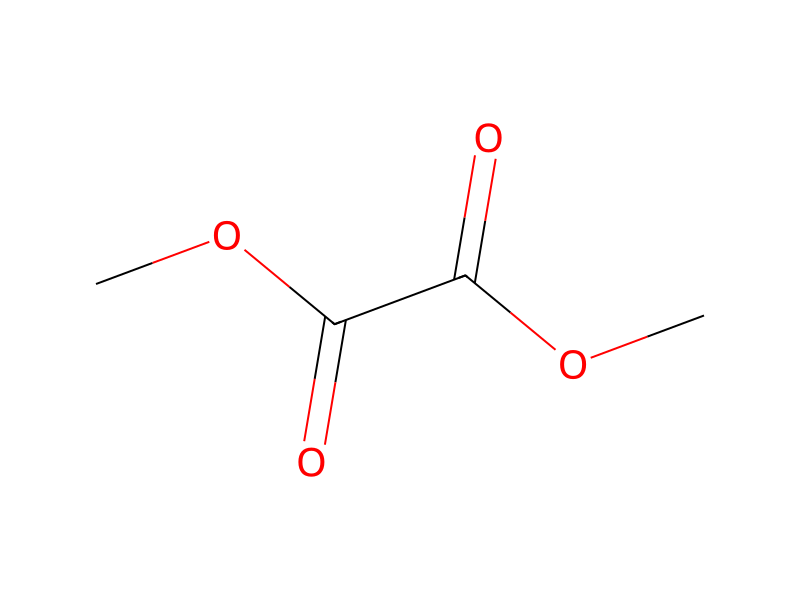
Dimethyl oxalate → Ethyl 4-(6-methyl-3-pyridyl)-2,4-dioxobutanoate
Reaction equation

[C:1]([C:4]1[CH:5]=[CH:6][C:7]([CH3:10])=[N:8][CH:9]=1)(=[O:3])[CH3:2].C[Si](C)(C)[N-][Si](C)(C)C.[Li+].O1CCC[CH2:22]1.[C:26]([O:32]C)(=O)[C:27]([O:29][CH3:30])=[O:28].Cl.O1CCOCC1>O1CCCC1>[CH3:10][C:7]1[N:8]=[CH:9][C:4]([C:1](=[O:3])[CH2:2][C:26](=[O:32])[C:27]([O:29][CH2:30][CH3:22])=[O:28])=[CH:5][CH:6]=1Participants
6





Procedure
At −78° C., a tetrahydrofuran (5 ml) solution of 5-acetyl-2-picoline (583 mg) was added to a tetrahydrofuran (15 ml) solution of 1 N lithium hexamethyldisilazide/tetrahydrofuran solution (5.2 ml), and stirred at the same temperature for 1 hour. At −78° C., dimethyl oxalate (701 μl) was added to the reaction liquid, and stirred at room temperature for 1 hour. 4 N hydrogen chloride/dioxane solution (4 ml) was added to the reaction liquid, and concentrated under reduced pressure to obtain a crude product of the entitled compound.
Workup
- stirringstirred at room temperature for 1 hour
- concentrationconcentrated under reduced pressure
Sources & evidence
- ORD record
- ord-98e579a05ecf4d00ba816fa58c4b447d
- Source dataset
- uspto-grants-2010_11
- Patent number
- US07829586B2
Reaction notes
Loading…