Iodine → 2-Bromo-3-[4-(2-ethylhexyl)-phenyl]-5-iodothiophene
Reaction equation

[Br:1][C:2]1[S:3][CH:4]=[CH:5][C:6]=1[C:7]1[CH:12]=[CH:11][C:10]([CH2:13][CH:14]([CH2:19][CH3:20])[CH2:15][CH2:16][CH2:17][CH3:18])=[CH:9][CH:8]=1.II.C(O)(=O)C.C(O)(=O)C.[I:31]C1C=CC=CC=1.S([O-])([O-])(=O)=S.[Na+].[Na+]>>[Br:1][C:2]1[S:3][C:4]([I:31])=[CH:5][C:6]=1[C:7]1[CH:12]=[CH:11][C:10]([CH2:13][CH:14]([CH2:19][CH3:20])[CH2:15][CH2:16][CH2:17][CH3:18])=[CH:9][CH:8]=1Participants
5



Procedure
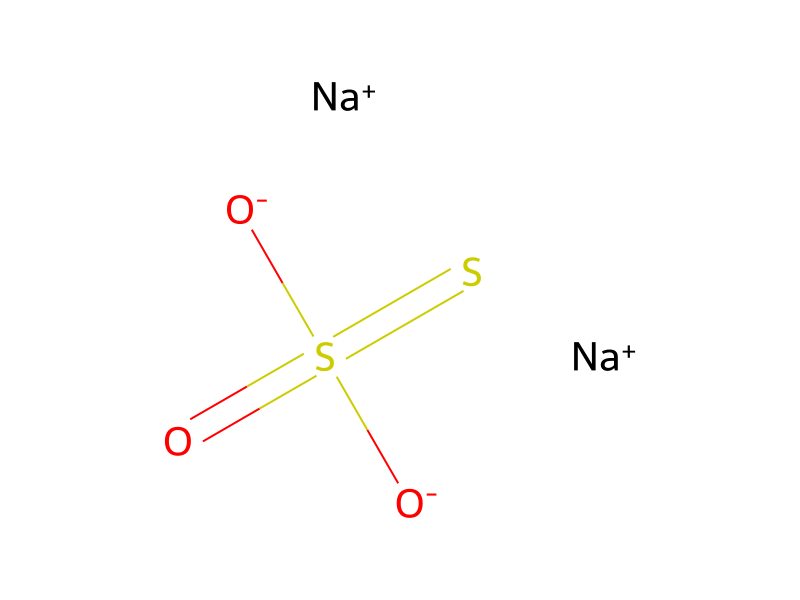
The procedure was adapted from Yokoyama, A. Macromolecules 2004, 37, 1169. A 100-mL round bottom flask was charged with 2-bromo-3-[4-(2-ethylhexyl)-phenyl]-thiophene (2.6 g, 7.4 mmol), purged with N2, and anhydrous dichloromethane (18 mL) was added via a deoxygenated syringe. The reaction flask was cooled down to 0° C., whereupon iodine (I2) (1.04 g, 4.1 mmol) and iodobenzene diacetate (PhI(OAc)2) (1.4 g, 4.4 mmol) were added in one portion, and the mixture was stirred at ambient temperature for 4 hours. An aqueous solution of sodium thiosulfate (NaS2O3) (10%) was added to the reaction mixture; the aqueous layer was separated and extracted with diethyl ether (3×50 mL). The collected organic phase was washed with aqueous NaS2O3 (10%) and dried over anhydrous MgSO4. After filtration, the solvent and iodobenzene were removed by evaporation under reduced pressure. The crude product was purified using column chromatography on silica gel with hexane as the eluent (Rf=0.38). The compound was dried under vacuum to yield 3.35 g (95%) of slightly yellow oil.