HomeMCPWorkbenchSkills
HomeWorkbenchNotificationsMe
llms.txt · MCP GuidePrivacy Policy · Terms of Service · Supportv1.8.0
  1. Home
  2. /Reaction

Methanesulfonic Acid → HCID 59557749, compound

HRID 1175278
Notes
Print preview

Reaction equation

HRID 1175278 reaction equation
Br[C:2]1[CH:7]=[CH:6][C:5]([Cl:8])=[C:4]([CH2:9][C:10]2[CH:15]=[CH:14][C:13]([CH2:16][O:17][CH:18]3[CH2:20][CH2:19]3)=[CH:12][CH:11]=2)[CH:3]=1.[Li][CH2:22]CCC.C[Si](C)(C)[O:28][C@@H:29]1[C@@H:34]([O:35][Si](C)(C)C)[C@H:33]([O:40][Si](C)(C)C)[C@@H:32]([CH2:45][O:46][Si](C)(C)C)[O:31][C:30]1=[O:51].CS(O)(=O)=O>C1(C)C=CC=CC=1.C1COCC1.C1(C)C=CC=CC=1.CO>[Cl:8][C:5]1[CH:6]=[CH:7][C:2]([C:30]2([O:51][CH3:22])[C@H:29]([OH:28])[C@@H:34]([OH:35])[C@H:33]([OH:40])[C@@H:32]([CH2:45][OH:46])[O:31]2)=[CH:3][C:4]=1[CH2:9][C:10]1[CH:15]=[CH:14][C:13]([CH2:16][O:17][CH:18]2[CH2:20][CH2:19]2)=[CH:12][CH:11]=1
ParticipantsConditionsProcedureWorkupSources & evidenceReaction notes

Participants

8

Reactant 4

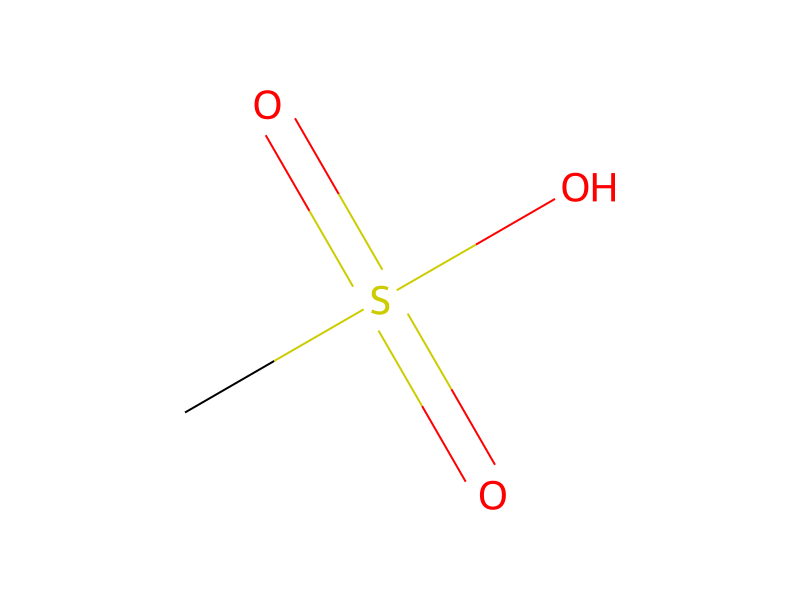
HCID 6395Methanesulfonic AcidHCID 10994280(3R,4S,5R,6R)-3,4,5-Tris-trimethylsilanyloxy-6-trimethylsilanyloxymethyl-tetrahydro-pyran-2-onHCID 595577574-Bromo-1-chloro-2-(4-(cyclopropoxymethyl)benzyl)benzeneHCID 178418339Butyllithium

Product 1

HCID 59557749HCID 59557749, compound

Reagents, catalysts & solvents

3
HCID 887MethanolSolventHCID 1140TolueneSolventHCID 22635083Tetrahydrofuran tolueneSolvent

Conditions

Temperature
-65 °C

Procedure

To a solution of 4-bromo-1-chloro-2-(4-(2-cyclopropoxymethyl)benzyl)benzene (0.6 g, 1.71 mmol) in anhydrous toluene/THF (6 mL, v/v=2:1) was added dropwise n-BuLi (2.5 M in hexane, 0.82 mL) at −65° C., and the mixture was stirred for 30 min at −65° C. Then a −65° C. solution of (3R,4S,5R,6R)-3,4,5-tris(trimethylsilyloxy)-6-((trimethylsilyloxy)methyl)tetrahydro-2H-pyran-2-one (0.87 g, 1.88 mmol) in toluene (6 mL) was added dropwise over 15 min. The mixture was stirred at −65° C. for 3.5 h until starting material was consumed. The reaction was quenched with methanesulfonic acid (0.23 mL, 3.58 mmol) in methanol (6 mL), and the mixture was allowed to warm to room temperature and stirred overnight. The reaction was quenched with saturated sodium bicarbonate, the organic phase was separated and the aqueous phase was extracted with ethyl acetate. The combined organic phases were washed with saturated bicarbonate, then with water, and then with brine, and dried over sodium sulfate. Removal of the volatiles afforded a residue (0.75 g), which was used in the next step without further purification.

Workup

  1. stirringThe mixture was stirred at −65° C. for 3.5 h
  2. customwas consumed
  3. temperatureto warm to room temperature
  4. stirringstirred overnight
  5. customThe reaction was quenched with saturated sodium bicarbonate
  6. customthe organic phase was separated
  7. extractionthe aqueous phase was extracted with ethyl acetate
  8. washThe combined organic phases were washed with saturated bicarbonate
  9. dry with materialwith water, and then with brine, and dried over sodium sulfate
  10. customRemoval of the volatiles

Sources & evidence

ORD record
ord-9f38415cf49e4c1593839545a50c330b
Source dataset
uspto-grants-2010_11
DOI
10.6084/m9.figshare.5104873.v1
Patent number
US07838499B2

Reaction notes

Loading…

On this pageParticipantsConditionsProcedureWorkupSources & evidenceReaction notes