HomeMCPWorkbenchSkills
HomeWorkbenchNotificationsMe
llms.txt · MCP GuidePrivacy Policy · Terms of Service · Supportv1.8.3
  1. Home
  2. /Reaction

Glufosinate → HCID 178476818, compound

HRID 1184981
Print

Reaction equation

HRID 1184981 reaction equation
C[P:2]([OH:11])([CH2:4][CH2:5][CH:6](N)C(O)=O)=[O:3].P(Cl)(Cl)Cl.[Cl-:16].[Cl-].[Cl-].[Cl-].[Al+3].[CH2:21]=[CH2:22]>C(O)C>[Cl:16][CH2:6][CH2:5][CH2:4][PH:2](=[O:3])[O:11][CH2:21][CH3:22]
ParticipantsProcedureWorkupSources & evidenceReaction notes

Participants

6

Reactant 4

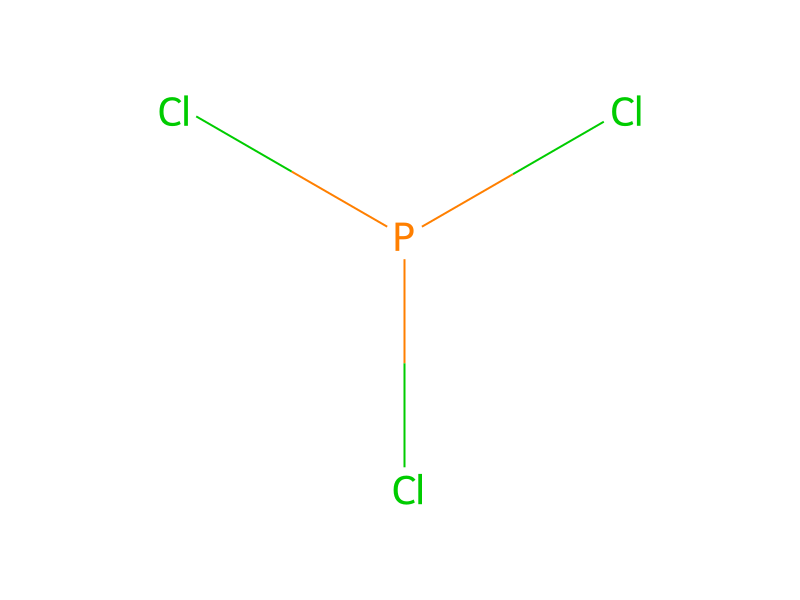
HCID 4794GlufosinateHCID 6325EthyleneHCID 24387Phosphorus trichlorideHCID 25114082Aluminum tetrachloride

Product 1

HCID 178476818HCID 178476818, compound

Reagents, catalysts & solvents 1

HCID 702EthanolSolvent

Procedure

Alternatively, another method of producing glufosinate generally comprises converting phosphorus trichloride to an adduct of methylphosphonous trichloride and aluminum tetrachloride (i.e., CH3PCl3.AlCl4). The adduct may be reacted with ethylene to form an intermediate adduct, which then may be reacted with ethanol to form ethyl 1-(2-chloroethyl)-methylphosphinate. Ethyl 1-(2-chlorethyl)-methylphosphinate may then be reacted with potassium hydroxide and ethanol to prepare the requisite ethyl vinylphosphinate precursor. The ethyl vinylphosphinate precursor is subjected to hydroformylation-aminocarbonylation, followed by hydrolysis of the hydroformylation-aminocarbonylation product in the presence of hydrochloric acid to produce glufosinate.

Workup

  1. customto form an intermediate adduct, which

Sources & evidence

ORD record
ord-b7d56bc03a6b4088809a1fff735d8036
Source dataset
uspto-grants-2014_03
DOI
10.6084/m9.figshare.5104873.v1
Patent number
US08669396B2

Reaction notes

On this pageParticipantsProcedureWorkupSources & evidenceReaction notes