Hydrochloric Acid → Indapamide
Reaction equation

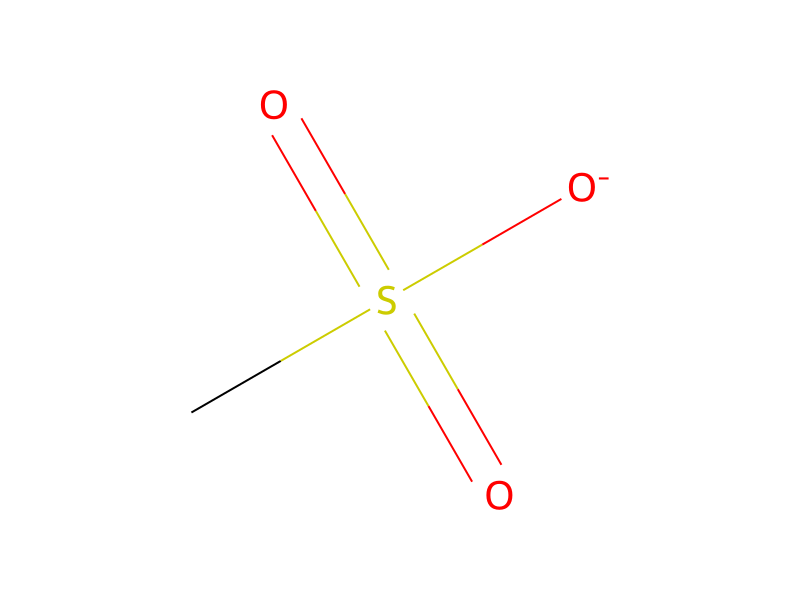
[NH2:1][N:2]1[C:10]2[C:5](=[CH:6][CH:7]=[CH:8][CH:9]=2)[CH2:4][CH:3]1[CH3:11].Cl.CS([O-])(=O)=O.[Cl:18][C:19]1[CH:27]=[CH:26][C:22]([C:23](Cl)=[O:24])=[CH:21][C:20]=1[S:28](=[O:31])(=[O:30])[NH2:29]>>[Cl:18][C:19]1[CH:27]=[CH:26][C:22]([C:23]([NH:1][N:2]2[C:10]3[C:5](=[CH:6][CH:7]=[CH:8][CH:9]=3)[CH2:4][CH:3]2[CH3:11])=[O:24])=[CH:21][C:20]=1[S:28]([NH2:29])(=[O:31])=[O:30]Participants
5



Procedure
Process according to claim 1, characterised in that the 1-amino-2,3-dihydro-2-methyl-1H-indole is reacted in the form of a hydrochloride or a methanesulphonate with the 4-chloro-3-sulphamoylbenzoyl chloride.