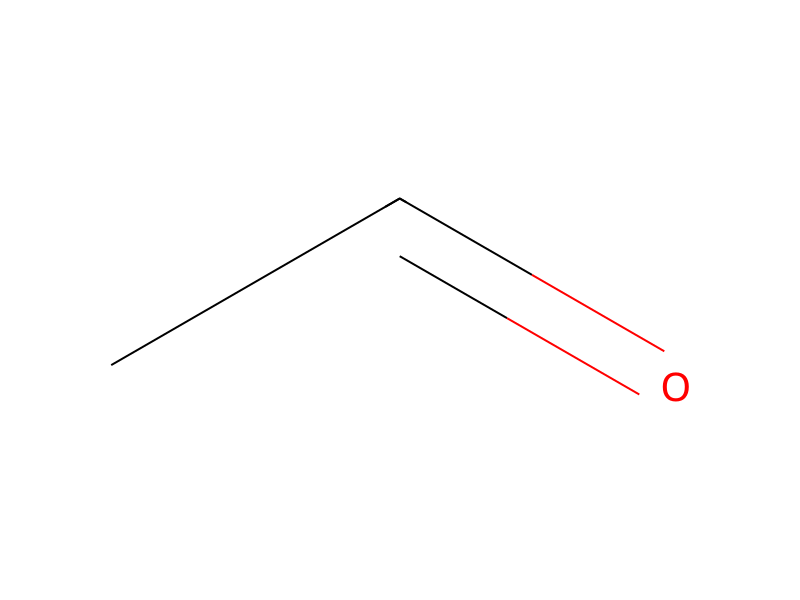
To a stirred solution of (4R,9aR)-6-bromo-4-methyl-3,4,9,9a-tetrahydro-1H-2,4a,5-triaza-fluorene-2-carboxylic acid tert-butyl ester (Example 5, intermediate b) (2 g) in THF (24 ml) at −78° C. was added n-butyllithium (2.72 ml, 2.5 M in hexanes) dropwise. The solution was stirred at −78° C. for 45 mins and acetaldehyde (604 μl) in THF (2 ml) was added dropwise. The solution was stirred for a further 2 hours, allowed to warm to room temperature slowly and stirred for a further 4.5 hours. The reaction was quenched with aqueous ammonium chloride (20 ml), diluted with ethyl acetate and the phases separated. The organics were washed successively with water and brine, dried (MgSO4) and concentrated in vacuo. The residue was purified by column chromatography [SiO2; isohexane-ethyl acetate (3:2)] to afford (4R,9aR)-6-(1-hydroxy-ethyl)-4-methyl-3,4,9,9a-tetrahydro-1H-2,4a,5-triaza-fluorene-2-carboxylic acid tert-butyl ester (742 mg) as a yellow oil: 1H NMR (400 MHz, CDCl3) 7.16 (1H, d, J 7 Hz), 6.35 (1H, d, J 7 Hz), 4.37–4.31 (1H, br s), 4.31–4.19 (1H, br s), 4.09–3.95 (1H, m), 3.95–3.85 (1H, m), 3.13–2.94 (2H, m), 2.79–2.55 (1H, br s), 2.54 (1H, dd, J 6 and 16 Hz), 1.48 (9H, s), 1.44 (3H, d, J 6.5 Hz), 1.25 (1.5H, R epimer, d, J 6.5 Hz) and 1.24 (1.5H, S epimer, d, J 6.5 HZ); MS (ES) 334.3 (MH+).