Hexafluoropropylene → Hexafluoropropylene oxide
Reaction equation

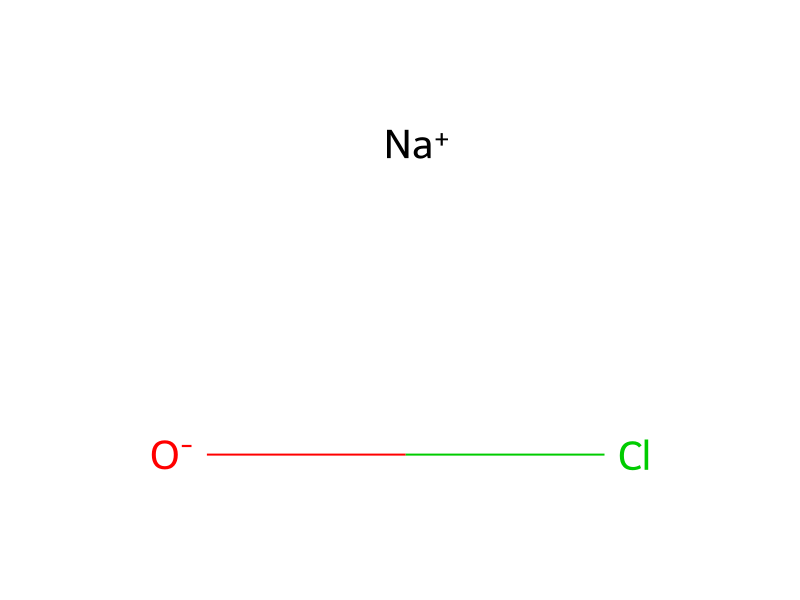
ClCl.[OH-:3].[Na+].[F:5][C:6]([F:13])([F:12])[C:7]([F:11])=[C:8]([F:10])[F:9]>CCCCCCCC[N+](CCCCCCCC)(CCCCCCCC)C.[Cl-].Cl[O-].[Na+]>[F:5][C:6]([F:13])([F:12])[C:7]1([F:11])[O:3][C:8]1([F:10])[F:9]Participants
Reactant 3



Product 1

Reagents, catalysts & solvents 2

Conditions
- Temperature
- -5 °C
Procedure
A 300 ml pressure resistant glass reactor equipped with a fluorine resin-coated stirring bar, a pressure gauge, a nozzle for a thermocouple, a cooling device, a nozzle (A) for sampling and a nozzle (B) for supplying a reaction solution and withdrawing a reaction product was charged with 160 ml of an F-113 solution containing 0.580 g (1.44 millimoles) of TOMAC and 70 ml of an aqueous sodium hypochlorite solution with an available chlorine content of 6% containing 1.5% by weight of sodium hydroxide. After the contents of the reactor were cooled to -5° C., 4.20 g of hexafluoropropylene cooled to -5° C. were charged in the reactor and the reactants were vigorously stirred to initiate reaction. During the reaction, the reactor was cooled so as to maintain the temperature of the reaction solution at a temperature of -5° C. to -3° C.
Workup
- customA 300 ml pressure resistant glass reactor equipped with a fluorine resin-coated stirring bar
- customwithdrawing a reaction product
- additionwas charged with 160 ml of an F-113 solution
- additionwere charged in the reactor
- customreaction
- customDuring the reaction
- temperaturethe reactor was cooled so as
- temperatureto maintain the temperature of the reaction solution at a temperature of -5° C. to -3° C.
Sources & evidence
- ORD record
- ord-39e6b9b336144cfe8de324acffe98948
- Source dataset
- uspto-grants-1994_01
- Patent number
- US05276189
Reaction notes
Loading…