Reaction equation

[F:1][C:2]1[CH:7]=[CH:6][C:5]([CH2:8][CH2:9][Br:10])=[CH:4][CH:3]=1.[C:11]1([P:17]([C:24]2[CH:29]=[CH:28][CH:27]=[CH:26][CH:25]=2)[C:18]2[CH:23]=[CH:22][CH:21]=[CH:20][CH:19]=2)[CH:16]=[CH:15][CH:14]=[CH:13][CH:12]=1>C1(C)C=CC=CC=1>[Br-:10].[F:1][C:2]1[CH:7]=[CH:6][C:5]([CH2:8][CH2:9][P+:17]([C:18]2[CH:19]=[CH:20][CH:21]=[CH:22][CH:23]=2)([C:24]2[CH:29]=[CH:28][CH:27]=[CH:26][CH:25]=2)[C:11]2[CH:12]=[CH:13][CH:14]=[CH:15][CH:16]=2)=[CH:4][CH:3]=1Participants
4
Reactant 2

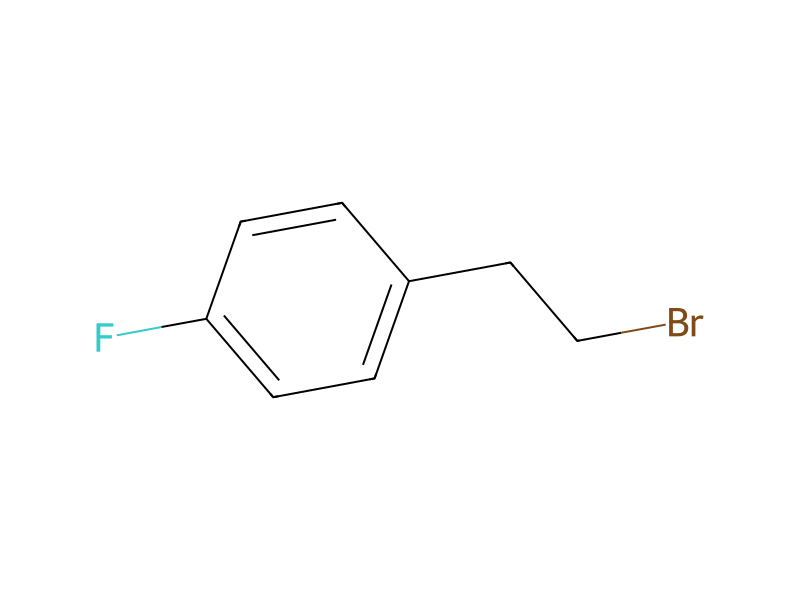
Product 1

Reagents, catalysts & solvents 1

Conditions
- Temperature
- 200 °C
Procedure
4-Fluorophenylethyl bromide (700 mg, 3.44 mmol) was dissolved in toluene (4 mL), triphenylphosphine (904 mg, 3.44 mmol) added and the solution heated for 10 min in a sealed flask at 200° C. under microwave heating. After cooling to rt, the solvent was decanted and the title compound was obtained quantitatively as the remaining glassy solid, which was used without further purification.
Workup
- temperatureheating
- temperatureAfter cooling to rt
- customthe solvent was decanted
Sources & evidence
- ORD record
- ord-ced818104f6646a0b4c67d321a5aa17e
- Source dataset
- uspto-grants-2010_06
- Patent number
- US07727999B2
Linked notes
Loading…