Reaction equation

[N+:1]([C:4]1[CH:5]=[C:6]2[C:11](=[CH:12][CH:13]=1)[NH:10][C:9](=O)[NH:8][C:7]2=O)([O-:3])=[O:2].CN1CCN(C)C1=O.P(Cl)(Cl)([Cl:26])=O.[CH2:29]([NH2:33])[CH2:30][CH2:31][CH3:32]>O>[CH2:29]([NH:33][C:7]1[C:6]2[C:11](=[CH:12][CH:13]=[C:4]([N+:1]([O-:3])=[O:2])[CH:5]=2)[N:10]=[C:9]([Cl:26])[N:8]=1)[CH2:30][CH2:31][CH3:32]Participants
6
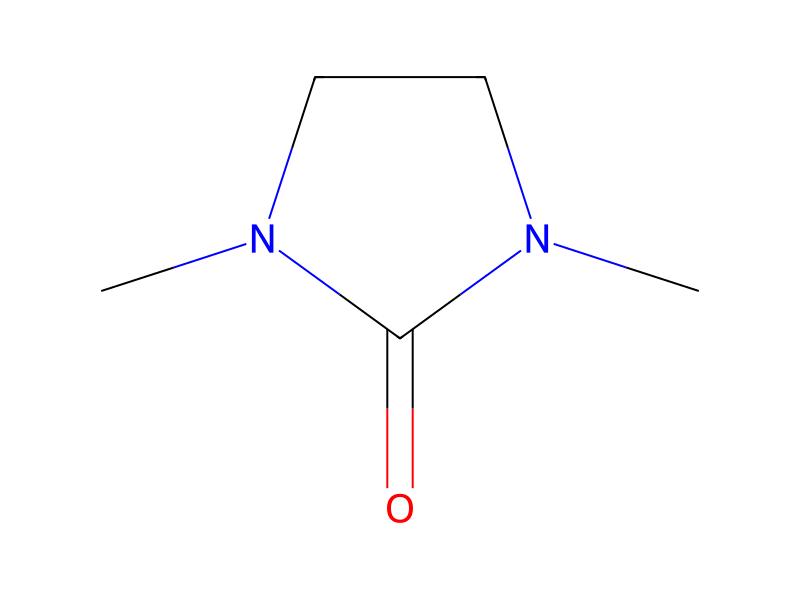





Procedure
To 500 mg (2.41 mmol) of 6-nitroquinazoline-2,4 (1H,3H)-dione were added 2 ml of 1,3-dimethyl-2-imidazolidinone and 8.23 g (53.64 mmol) of phosphorus oxychloride, and the resulting mixture was subjected to heating under reflux for 3 hours. After phosphorus oxychloride was removed in vacuo, the mixture was dissolved in 5 ml of acetonitrile, followed by addition of 5.9 ml (60 mmol) of butylamine and stirring under ice cooling for 30 minutes. To the reaction solution was added water, followed by extraction with ethyl acetate, washing with brine and drying over anhydrous sodium sulfate. After the solvent was distilled off, the residue was purified by a silica gel column to give 430 mg (yield: 63.6%) of the title compound.
Workup
- temperatureto heating
- temperatureunder reflux for 3 hours
- customAfter phosphorus oxychloride was removed in vacuo
- dissolutionthe mixture was dissolved in 5 ml of acetonitrile
- extractionfollowed by extraction with ethyl acetate
- washwashing with brine
- dry with materialdrying over anhydrous sodium sulfate
- distillationAfter the solvent was distilled off
- customthe residue was purified by a silica gel column
Sources & evidence
- ORD record
- ord-3143ca3b790840ec8a68b2398665282c
- Source dataset
- uspto-grants-2002_01
- Patent number
- US06339089B2
Linked notes
Loading…