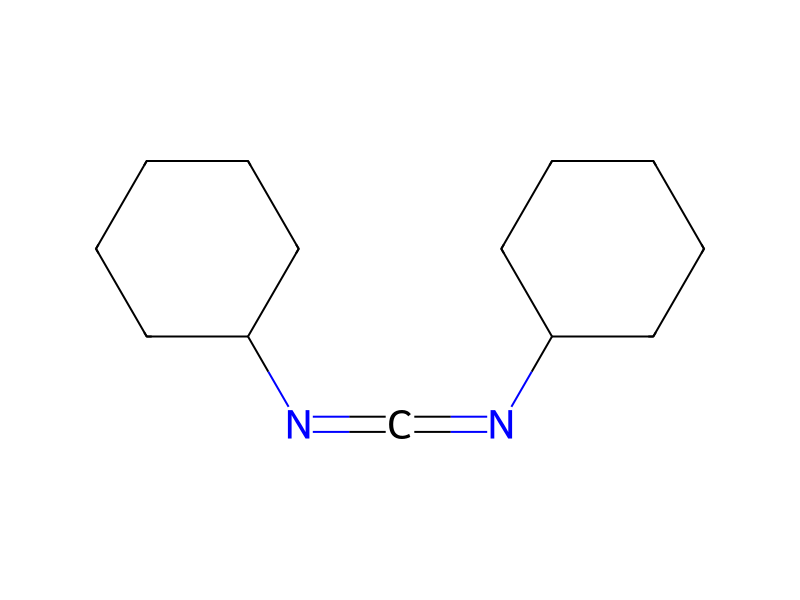
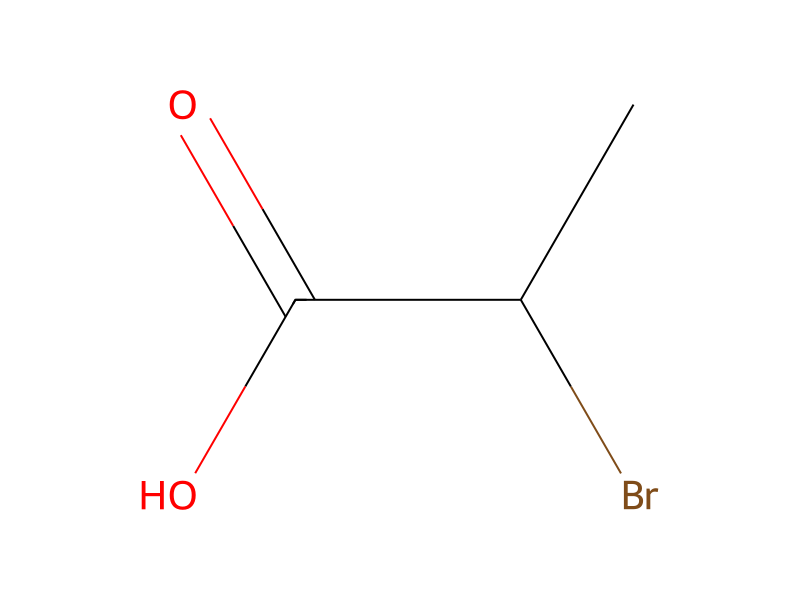
Dicyclohexylcarbodimide (4.1 g, 20 mmol), anhydrous ethylene glycol (5.0 g, 81 mmol), and pyridine (1 ml, 12 mmol) were charged into a vial. Acetone (14 ml) and 2-bromopropionic acid (1.5 ml, 16.7 mmol) were added while cooling the vial down with an ice bath to control the exothermic reaction. After stirring the vial's contents overnight, undissolved by-products were removed by filtration. To the filtered reaction mixture were added AcOEt (20 ml) and saturated NaCl water (15 ml) followed by shaking well. The reaction mixture separated into 2 layers. The upper AcOEt layer was washed with dilute HCI once and saturated NaCl water (15 ml) two more times and then dried with MgSO4. After removing MgSO4, AcOEt was rotary evaporated to obtain a crude product. This crude product was purified by silica gel chromatography (eluent: AcOEt:hexane=1:1 by weight) to yield 1.4 g (43% yield) product.