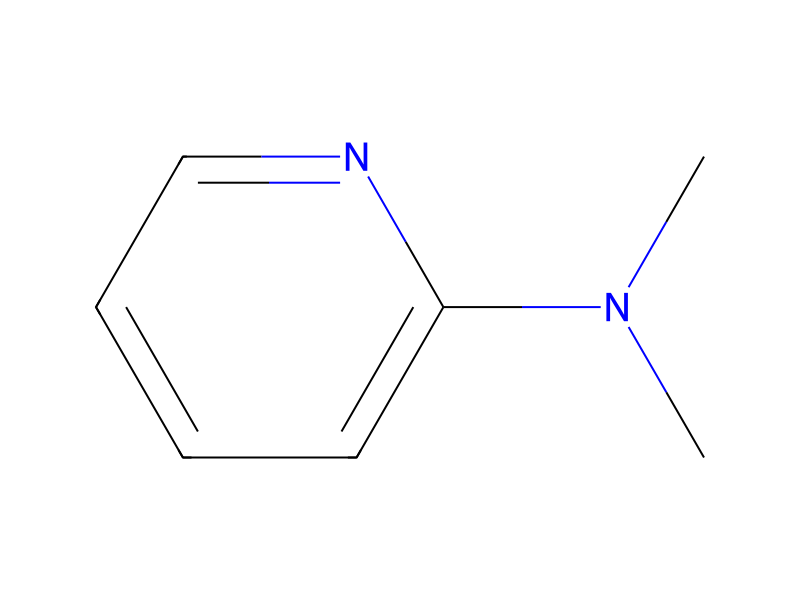
[O:1]=[C:2]1[C:7]([O:8][CH2:9][C:10]2[CH:15]=[CH:14][CH:13]=[CH:12][CH:11]=2)=[CH:6][NH:5][C:4]([C:16]([OH:18])=O)=[CH:3]1.[C:19]([O:23][C:24]([NH:26][NH2:27])=[O:25])([CH3:22])([CH3:21])[CH3:20].C1(N=C=NC2CCCCC2)CCCCC1>CN(C)C=O.CN(C1C=CC=CN=1)C.ON1C2C=CC=CC=2N=N1>[CH3:20][C:19]([CH3:22])([O:23][C:24]([NH:26][NH:27][C:16]([C:4]1[NH:5][CH:6]=[C:7]([O:8][CH2:9][C:10]2[CH:11]=[CH:12][CH:13]=[CH:14][CH:15]=2)[C:2](=[O:1])[CH:3]=1)=[O:18])=[O:25])[CH3:21]1,4-Dihydro-4-oxo-5-(phenylmethoxy)-2-pyridinecarboxylic acid (61.3 g, 0.25 mol) was suspended in 500 ml of dimethylformamide at room temperature, followed by the addition of 39.65 g (0.3 mol) of N-(t-butoxycarbonyl)hydrazine, 1.5 g of dimethylaminopyridine and 2.0 g of N-hydroxybenzotriazole, and the mixture was stirred for 30 minutes at room temperature. Then, 57.7 g (0.28 mol) of dicyclohexylcarbodiimide, dissolved in 100 ml of dimethylformamide, was added dropwise with stirring over 30 minutes, and the mixture was stirred at room temperature overnight. The precipitate (dicyclohexylurea) was filtered off and the filtrate evaporated in vacuo. The remaining syrup crystallized on treatment with diluted sodium bicarbonate solution. The dried crude product was recrystallized from 2 liters of ethyl acetate to yield 69.5 g of the title compound, melting point 173°-175° C. A second crop was obtained after evaporation of the mother liquor; 3.2 g, melting point 160°-165° C.