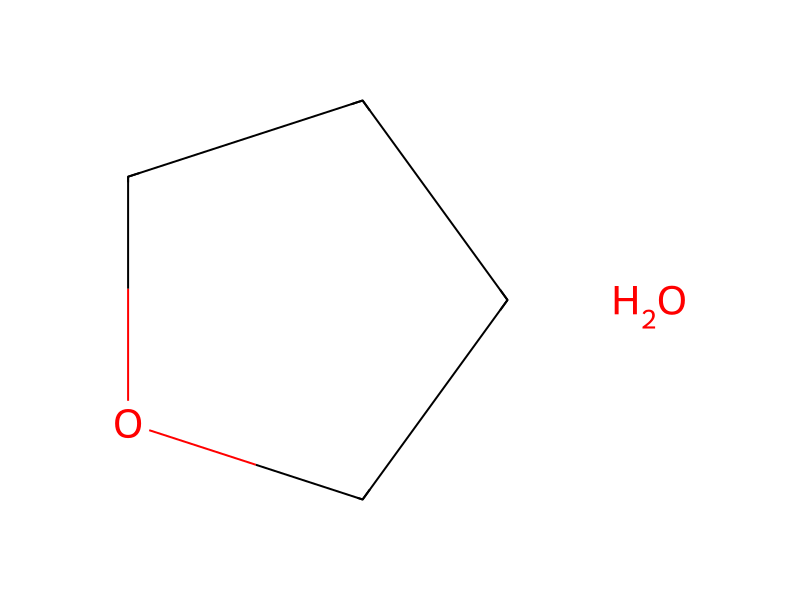
C[O:2][C:3](=[O:23])[C@@H:4]([N:9]1[CH2:17][C:16]2[C:11](=[CH:12][CH:13]=[CH:14][C:15]=2[C:18]([F:21])([F:20])[F:19])[C:10]1=[O:22])[CH2:5][CH:6]([CH3:8])[CH3:7].O.[OH-].[Li+]>O1CCCC1.O>[CH3:7][CH:6]([CH3:8])[CH2:5][C@H:4]([N:9]1[CH2:17][C:16]2[C:11](=[CH:12][CH:13]=[CH:14][C:15]=2[C:18]([F:21])([F:19])[F:20])[C:10]1=[O:22])[C:3]([OH:23])=[O:2]A solution of (S)-4-methyl-2-(1-oxo-4-trifluoromethyl-1,3-dihydro-isoindol-2-yl)-pentanoic acid methyl ester (274 mg, 0.83 mmol) in tetrahydrofuran/water (12 mL, 1:1) was treated with lithium hydroxide monohydrate (70 mg, 1.66 mmol) at room temperature. The reaction mixture was then stirred at room temperature for 2 h. After this time, the reaction mixture was concentrated in vacuo to remove the tetrahydrofuran. The resulting material was then diluted with a 1N aqueous hydrochloric acid solution (10 mL) and then extracted with ethyl acetate. The organic layers were combined and then dried over magnesium sulfate, filtered to remove the drying agent, and the filtrate was concentrated in vacuo to afford (S)-4-methyl-2-(1-oxo-4-trifluoromethyl-1,3-dihydro-isoindol-2-yl)-pentanoic acid (254 mg, 97%) as a white solid.