HomeMCPWorkbenchSkills
HomeWorkbenchNotificationsMe
llms.txt · MCP GuidePrivacy Policy · Terms of Service · Supportv1.8.3
  1. Home
  2. /Reaction

Heptane → Methyl 2-bromo-2-(4-nitrophenyl)acetate

HRID 1262233
Print

Reaction equation

HRID 1262233 reaction equation
[CH3:1][O:2][C:3](=[O:14])[CH2:4][C:5]1[CH:10]=[CH:9][C:8]([N+:11]([O-:13])=[O:12])=[CH:7][CH:6]=1.[Br:15]N1C(=O)CCC1=O.CCCCCCC>C(Cl)(Cl)(Cl)Cl.N(C(C)(C)C#N)=NC(C)(C)C#N>[CH3:1][O:2][C:3](=[O:14])[CH:4]([Br:15])[C:5]1[CH:6]=[CH:7][C:8]([N+:11]([O-:13])=[O:12])=[CH:9][CH:10]=1
ParticipantsConditionsProcedureWorkupSources & evidenceReaction notes

Participants

6

Reactant 3

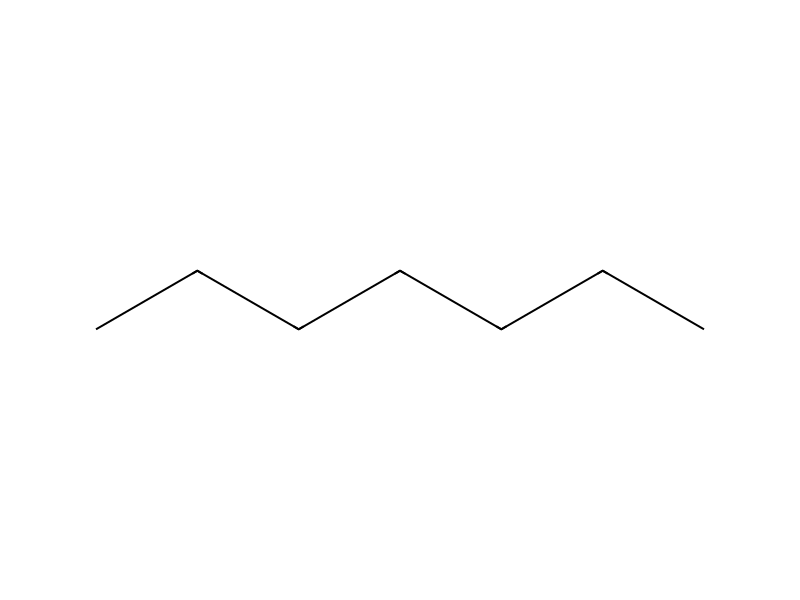
HCID 8900HeptaneHCID 67184N-bromobutanimideHCID 270191Methyl p-nitrophenylacetate

Product 1

HCID 285582Methyl 2-bromo-2-(4-nitrophenyl)acetateYield 78%

Reagents, catalysts & solvents 2

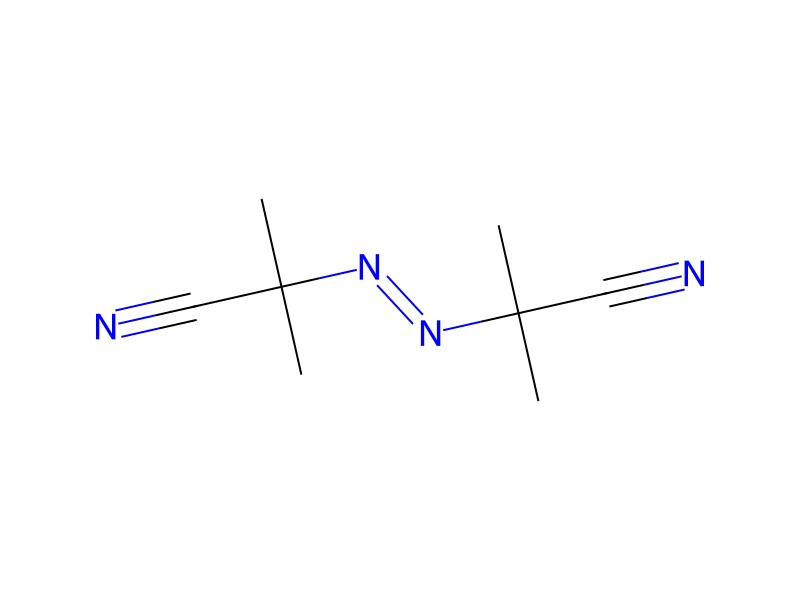
HCID 6547AzobisisobutyronitrileCatalyst
HCID 5943
Carbon Tetrachloride
Solvent

Conditions

Temperature
74 °C

Procedure

(4-Nitro-phenyl)-acetic acid methyl ester (500 mg, 2.56 mmol) was dissolved in carbon tetrachloride (6.00 mL) and N-bromosuccinimide (502 mg, 2.82 mmol) was added followed by 2,2′-azo-bis-isobutyronitrile (12.6 mg, 0.0768 mmol). The reaction was heated at 74° C. overnight. The reaction was then cooled to room temperature and poured into heptane (25 mL). The resulting suspension was filtered and the filter cake washed with heptane (15 mL). The filtrate was concentrated under reduced pressure and the resulting residue was purified by silica gel chromatography using a gradient of 0-25% EtOAc/hex as the eluting solvent to obtain bromo-(4-nitro-phenyl)-acetic acid methyl ester as a clear-colorless oil (547 mg, 78%). LCMS (m/e) 274 (M+H); 1H-NMR (CDCl3, 400 MHz) δ 8.23 (d, 2H, J=8.6 Hz), 7.73 (d, 2H, J=8.6 Hz), 5.40 (s, 1H), 3.82 (s, 3H).

Workup

  1. temperatureThe reaction was then cooled to room temperature
  2. filtrationThe resulting suspension was filtered
  3. washthe filter cake washed with heptane (15 mL)
  4. concentrationThe filtrate was concentrated under reduced pressure
  5. customthe resulting residue was purified by silica gel chromatography

Sources & evidence

ORD record
ord-660e88a41c42472593cb089675a4ca29
Source dataset
uspto-grants-2013_06
DOI
10.6084/m9.figshare.5104873.v1
Patent number
US08471005B2

Reaction notes

On this pageParticipantsConditionsProcedureWorkupSources & evidenceReaction notes