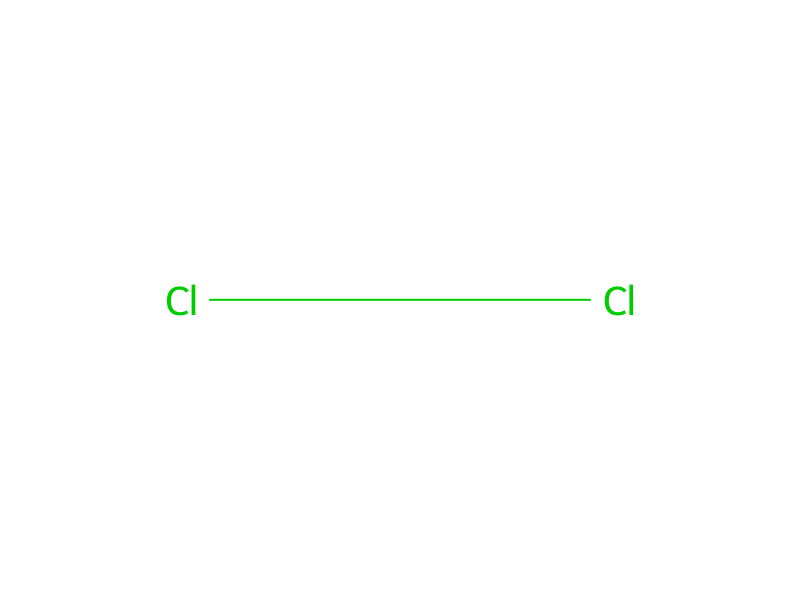
Using the procedure described in Example I 33 grams (0.25 m) of methyl 3-mercapto-2-methylpropionate and 10 grams (0.25 m) of NaOH was caused to react with acetohydroximoyl chloride prepared from 15 g (0.25 m) of acetaldoxime and 18 g (0.25 m) of chlorine. After reaction the crude reaction product was placed in a pyrex pressure bottle to which was added 200 ml of concentrated ammonium hydroxide. The bottle was sealed and the mixture was stirred by means of a magnetic stirring bar for two days at ambient temperature. The bisphasic reaction mixture was then extracted with ether and the lower, aqueous phase was concentrated in vacuo to produce 3 g of a residue which crystallized on standing. An infrared spectrum supported the proposed structure.