HomeMCPWorkbenchSkills
HomeWorkbenchNotificationsMe
llms.txt · MCP GuidePrivacy Policy · Terms of Service · Supportv1.8.3
  1. Home
  2. /Reaction

Hydrochloric Acid → 1-(3-Fluoro-2-pyridinyl)piperazine dihydrochloride

HRID 1263224
Print

Reaction equation

HRID 1263224 reaction equation
[F:1][C:2]1[C:3]([N:9]2[CH2:14][CH2:13][NH:12][CH2:11][CH2:10]2)=[N+:4]([O-])[CH:5]=[CH:6][CH:7]=1.[ClH:15].S(=O)=O>C(O)(=O)C>[ClH:15].[ClH:15].[F:1][C:2]1[C:3]([N:9]2[CH2:10][CH2:11][NH:12][CH2:13][CH2:14]2)=[N:4][CH:5]=[CH:6][CH:7]=1
ParticipantsProcedureWorkupSources & evidenceReaction notes

Participants

5

Reactant 3

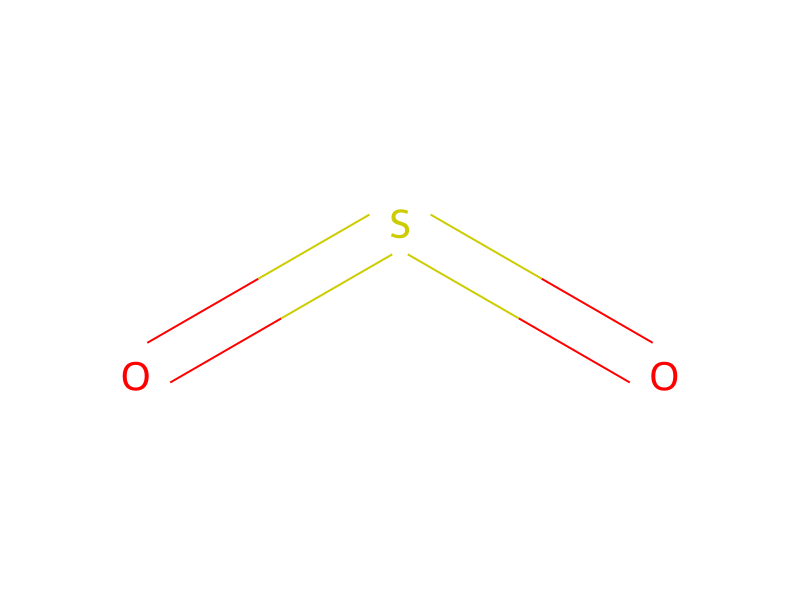
HCID 313Hydrochloric AcidHCID 1119Sulfur DioxideHCID 704816083-fluoro-2-piperazinylpyridine N-oxide

Product 1

HCID 204550721-(3-Fluoro-2-pyridinyl)piperazine dihydrochloride

Reagents, catalysts & solvents 1

HCID 176Acetic AcidSolvent

Procedure

A solution of 3-fluoro-2-piperazinylpyridine N-oxide (2 mmol) in 10 ml of glacial acetic acid is warmed to about 85° C. saturated with anhydrous hydrogen chloride gas and treated with a fine stream of sulfur dioxide for 1 hour. The acetic acid is removed under reduced pressure and the residue is crystallized from an ethanol-ethyl acetate mixture to give the title compound.

On this pageParticipantsProcedureWorkupSources & evidenceReaction notes

Workup

  1. customThe acetic acid is removed under reduced pressure
  2. customthe residue is crystallized from an ethanol-ethyl acetate mixture

Sources & evidence

ORD record
ord-81243050073c44e3ad431e31170bdb4d
Source dataset
uspto-grants-1984_06
DOI
10.6084/m9.figshare.5104873.v1
Patent number
US04456604

Reaction notes