L-Alanine → N-(2-hydroxybenzyl)-L-alanine
HRID 1267259
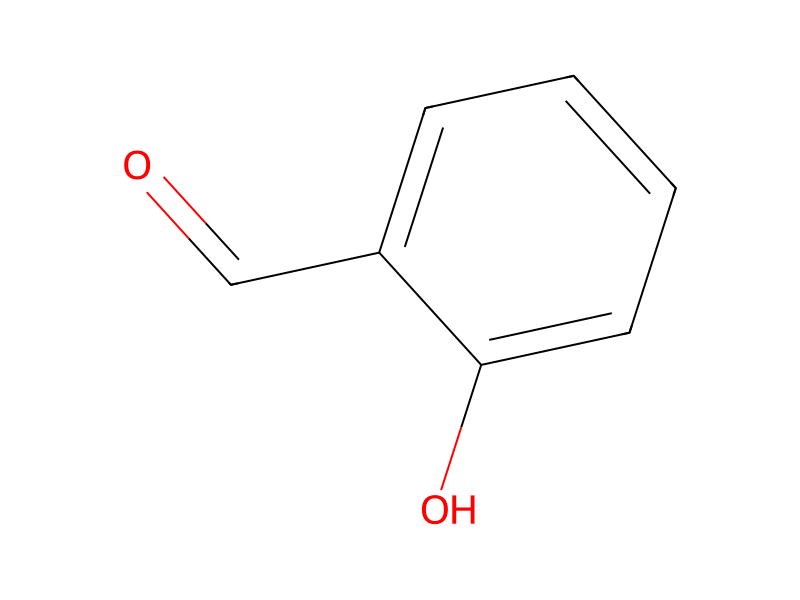
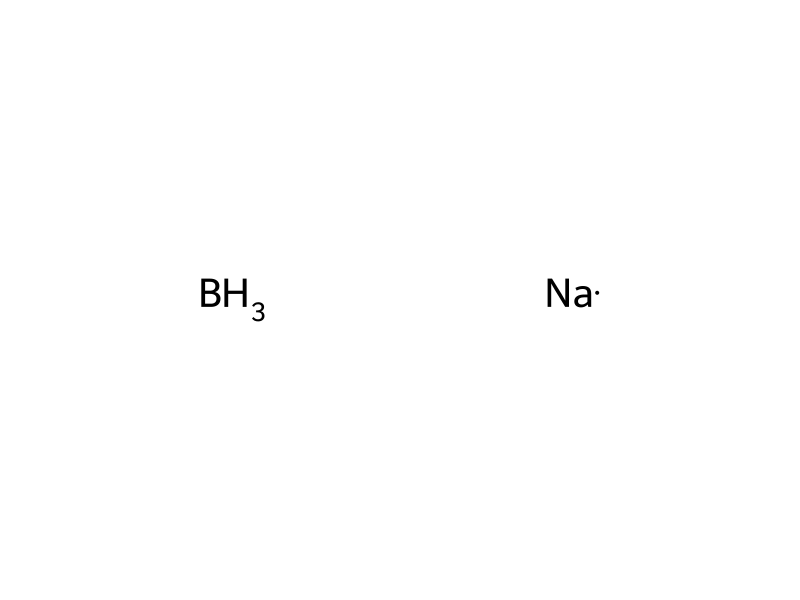
Reaction equation

[NH2:1][C@H:2]([C:4]([OH:6])=[O:5])[CH3:3].[CH:7](=O)[C:8]1[C:9](=[CH:11][CH:12]=[CH:13][CH:14]=1)[OH:10].B.[Na]>[OH-].[Na+]>[OH:10][C:9]1[CH:11]=[CH:12][CH:13]=[CH:14][C:8]=1[CH2:7][NH:1][C@H:2]([C:4]([OH:6])=[O:5])[CH3:3]Participants
5
Reactant 3

Product 1

Reagents, catalysts & solvents 1

Procedure
L-alanine (2.9 g) was dissolved in 20 ml of a 2N sodium hydroxide aqueous solution. To the solution were then added 3.5 ml of salicylaldehyde and 0.4 g of sodium boron hydride in this order. After the mixture was stirred for 1 hour, 3.5 ml of salicylaldehyde and 0.4 g of sodium boron hydride were added thereto again. After the resulting mixture was stirred at room temperature for 1 hour, the insoluble matter was separated by filtration, and the filtrate was extracted with diethyl ether. The extract was adjusted to a pH of 6 with hydrochloric acid to obtain 5.8 g of N-(2-hydroxybenzyl)-L-alanine. The resulting N-(2-hydroxybenzyl) -L-alantne ( 4.6 g) and 8.8 g of 1-dodecanol were added to 150 ml of toluene. A hydrogen chloride gas was then added thereto to saturation. Ten grams of molecular sieves were added thereto, and the mixture was stirred overnight. The insoluble matter was separated by filtration, and the filtrate was then concentrated. The resulting oil was dissolved in methylene chloride, and washed with a saturated aqueous solution of sodium chloride. The product was dried over magnesium sulfate, and then concentrated under reduced pressure to obtain 8g of N-(2-hydroxybenzyl)-L-alanine lauryl ester.