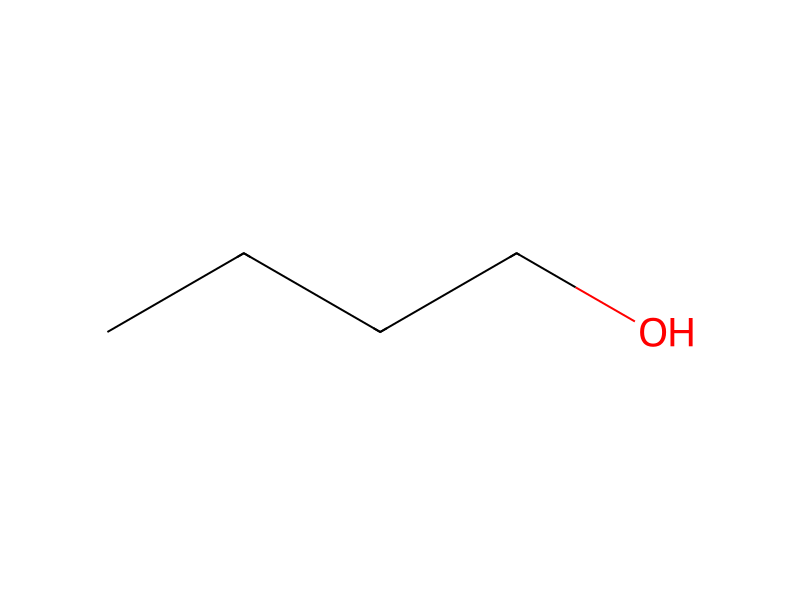
1-Butanol → HCID 21923089, compound
HRID 1272643
Reaction equation

[Cl:1][C:2]1[N:10]=[C:9]2[C:5]([N:6]=[CH:7][N:8]2[CH:11]([CH2:14][CH3:15])[CH2:12][CH3:13])=[C:4](Cl)[N:3]=1.C(O)CCC.[NH2:22][C:23]1[CH:28]=[CH:27][CH:26]=[CH:25][CH:24]=1>C(O)(C)C>[Cl:1][C:2]1[N:10]=[C:9]2[C:5]([N:6]=[CH:7][N:8]2[CH:11]([CH2:14][CH3:15])[CH2:12][CH3:13])=[C:4]([NH:22][C:23]2[CH:28]=[CH:27][CH:26]=[CH:25][CH:24]=2)[N:3]=1Participants
5
Reactant 3

Product 1

Reagents, catalysts & solvents 1

Procedure
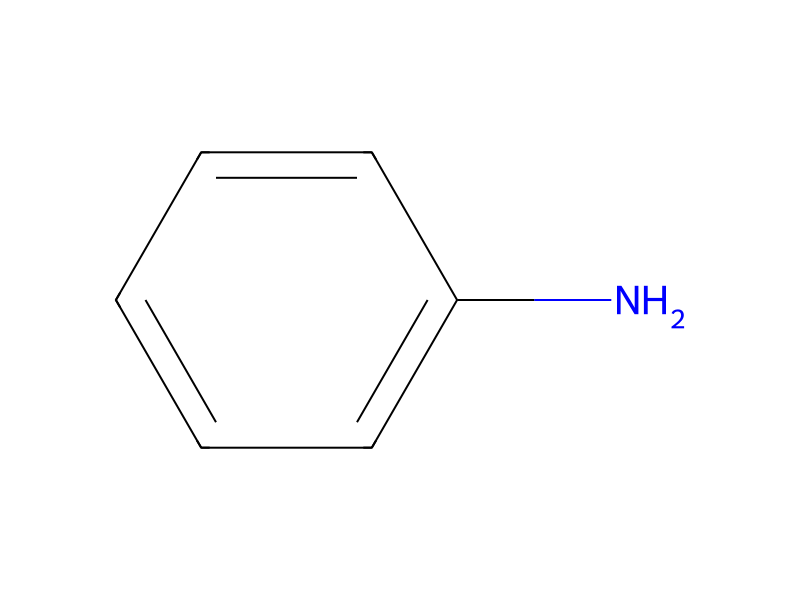
The operation is carried out as in Stage 2 of Example 3 starting from 200 mg (0.77 mmoles) of the product obtained in Stage 1 of Example 3 and 4 ml of butanol and using 0.088 ml (0.96 mmoles) of aniline in place of the benzylamine. Agitation is carried out at ambient temperature then the reaction medium is taken to a temperature of 80 to 85° C. for 22 hours, left to return to ambient temperature, diluted with 4 ml of isopropanol, left for two days at a temperature of approximately 0° C., followed by separating, washing with 10 ml of isopropanol and drying at a temperature of approximately 50° C.