HomeMCPWorkbenchSkills
HomeWorkbenchNotificationsMe
llms.txt · MCP GuidePrivacy Policy · Terms of Service · Supportv1.8.3
  1. Home
  2. /Reaction

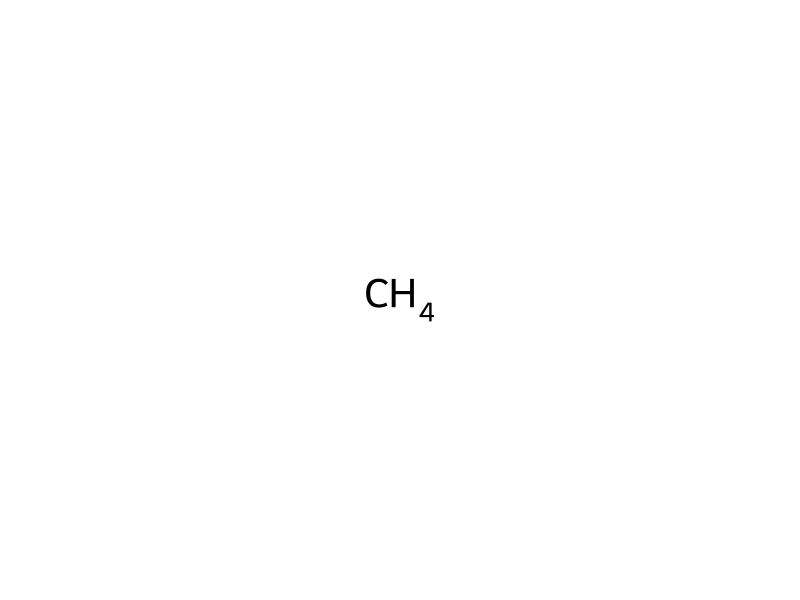
Methane → 2-Methyl-3-(2-methyl-5-isopropyl-cyclopent-1-en-1-yl)-propanal

HRID 1283999
Print

Reaction equation

HRID 1283999 reaction equation
[CH3:1][CH:2]([CH2:5][C:6]1[CH:10]([C:11]([CH3:13])=[CH2:12])[CH2:9][CH2:8][C:7]=1[CH3:14])[CH:3]=[O:4].C>O1CCOCC1.[Pd]>[CH3:1][CH:2]([CH2:5][C:6]1[CH:10]([CH:11]([CH3:13])[CH3:12])[CH2:9][CH2:8][C:7]=1[CH3:14])[CH:3]=[O:4]
ParticipantsProcedureWorkupSources & evidenceReaction notes

Participants

5

Reactant 2

HCID 297MethaneHCID 213885292-(2-Formylpropyl)-3-isopropenyl-1-methyl-cyclopent-1-ene

Product 1

HCID 215151252-Methyl-3-(2-methyl-5-isopropyl-cyclopent-1-en-1-yl)-propanalYield 94.2%

Reagents, catalysts & solvents 2

HCID 23938PalladiumCatalystHCID 312751,4-DioxaneSolvent

Procedure

19.2 g (0.1 Mole) of 2-methyl-3-(2-methyl-5-isopropenyl-cyclopent-1-en-1-yl)-propanal in 100 ml of dioxan were reduced by catalytic hydrogenation in the presence of traces of palladium over charcoal. After absorption of 2,300 ml of hydrogen (10 hours) the reaction mixture was filtered and the clear filtrate evaporated under reduced pressure. The obtained residue was then distilled to give 18.3 g of the desired aldehyde; bp. 45°-50°/0.1 Torr; nD = 1.4710; d20 = 0.9069;

Workup

  1. customAfter absorption of 2,300 ml of hydrogen (10 hours) the reaction mixture
  2. filtrationwas filtered
  3. customthe clear filtrate evaporated under reduced pressure
  4. distillationThe obtained residue was then distilled

Sources & evidence

ORD record
ord-cc46941c702348a8be145650dbc35815
Source dataset
uspto-grants-1976_08
DOI
10.6084/m9.figshare.5104873.v1
Patent number
US03978009

Reaction notes

On this pageParticipantsProcedureWorkupSources & evidenceReaction notes