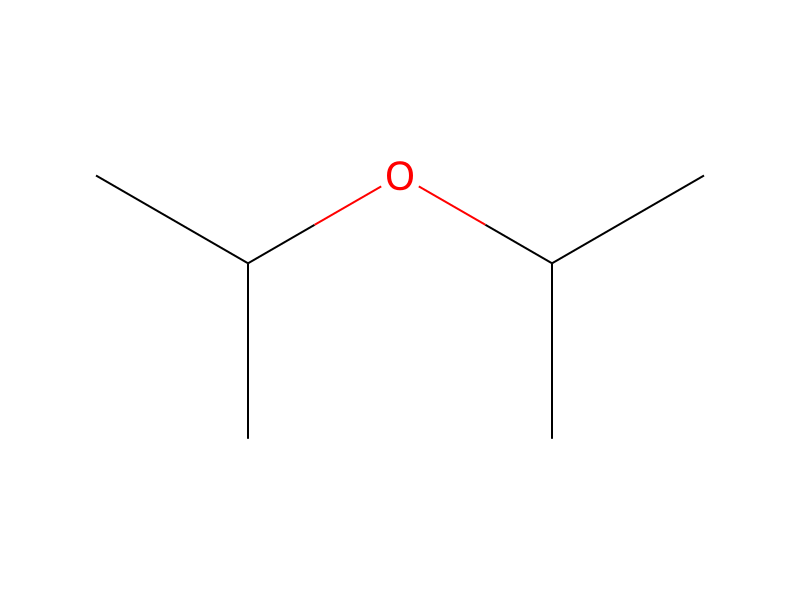
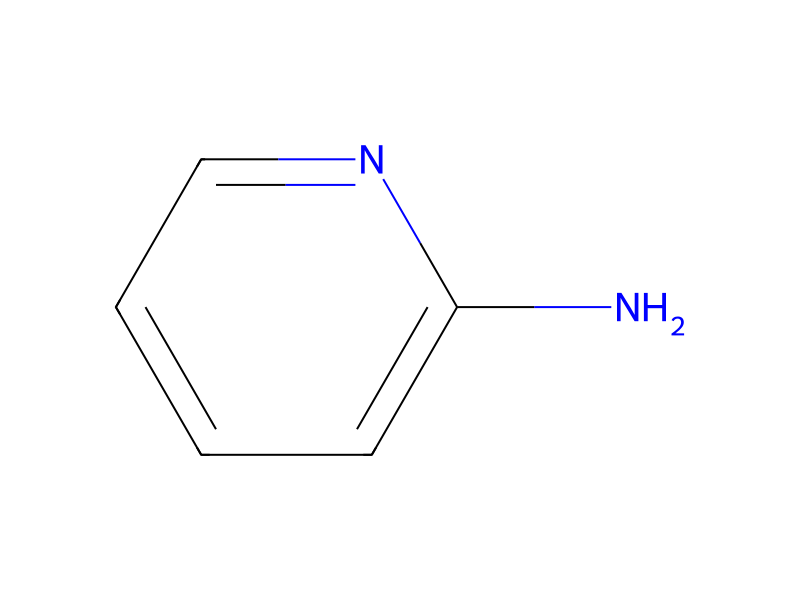
Diisopropyl Ether → Ethyl 2-[4-(imidazo[1,2-a]pyridin-2-yl)phenyl]propionate
HRID 1284088
Reaction equation

Cl[CH2:2][C:3]([C:5]1[CH:10]=[CH:9][C:8]([CH:11]([CH3:17])[C:12]([O:14][CH2:15][CH3:16])=[O:13])=[CH:7][CH:6]=1)=O.[NH2:18][C:19]1[CH:24]=[CH:23][CH:22]=[CH:21][N:20]=1.C(OC(C)C)(C)C>C(O)C>[N:18]1[C:3]([C:5]2[CH:10]=[CH:9][C:8]([CH:11]([CH3:17])[C:12]([O:14][CH2:15][CH3:16])=[O:13])=[CH:7][CH:6]=2)=[CH:2][N:20]2[CH:21]=[CH:22][CH:23]=[CH:24][C:19]=12Participants
5