Reaction equation

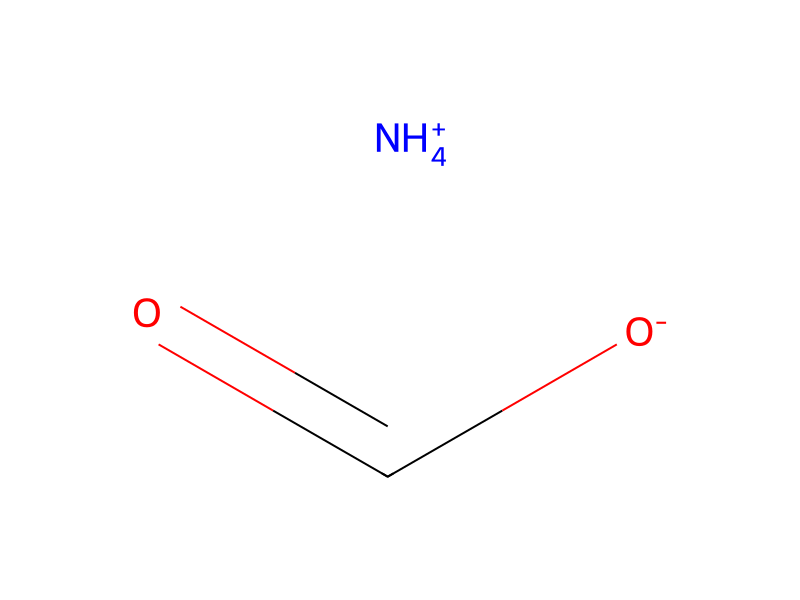
[N+](C1C=C(C=CC=1O)C=O)([O-])=O.[CH3:13][O:14][CH:15]([O:35][CH3:36])[CH2:16][C:17]1[CH:22]=[CH:21][C:20]([O:23][CH2:24][CH2:25][CH2:26][CH2:27][CH2:28][CH2:29][CH2:30][CH3:31])=[C:19]([N+:32]([O-])=O)[CH:18]=1.C([O-])=O.[NH4+]>C(O)C.[Pd]>[CH3:36][O:35][CH:15]([O:14][CH3:13])[CH2:16][C:17]1[CH:22]=[CH:21][C:20]([O:23][CH2:24][CH2:25][CH2:26][CH2:27][CH2:28][CH2:29][CH2:30][CH3:31])=[C:19]([NH2:32])[CH:18]=1Participants
6





Procedure
By the method of example 1 above, 3-nitro-4-hydroxybenzaldehyde is converted into 1-(2,2-dimethoxyethyl)-3-nitro-4-octyloxybenzene. This material (1.83 g) is dissolved in ethanol (20 ml) and to the solution is added ammonium formate (3.5 g) and palladium black (0.30 g), and the mixture is stirred for 30 min. The mixture is filtered through diatomaceous earth and evaporated to dryness in vacuo. The residue is partitioned between water and dichloromethane, and the organic phase is dried over magnesium sulfate, filtered, and concentrated to give 1-(2,2-dimethoxyethyl)-3-amino-4-octyloxybenzene as an orange oil (1.64 g, 98%).
Workup
- filtrationThe mixture is filtered through diatomaceous earth
- customevaporated to dryness in vacuo
- customThe residue is partitioned between water and dichloromethane
- dry with materialthe organic phase is dried over magnesium sulfate
- filtrationfiltered
- concentrationconcentrated
Sources & evidence
- ORD record
- ord-dd0c548b86e84427b7445ce0a434b603
- Source dataset
- uspto-grants-1995_11
- Patent number
- US05464865
Linked notes
Loading…